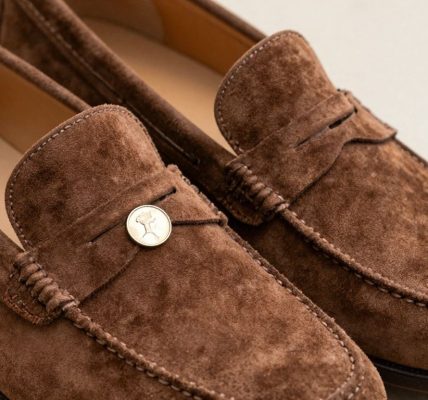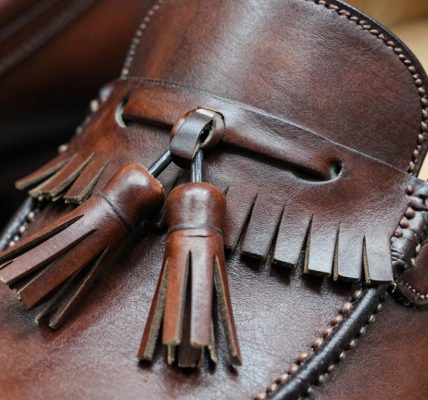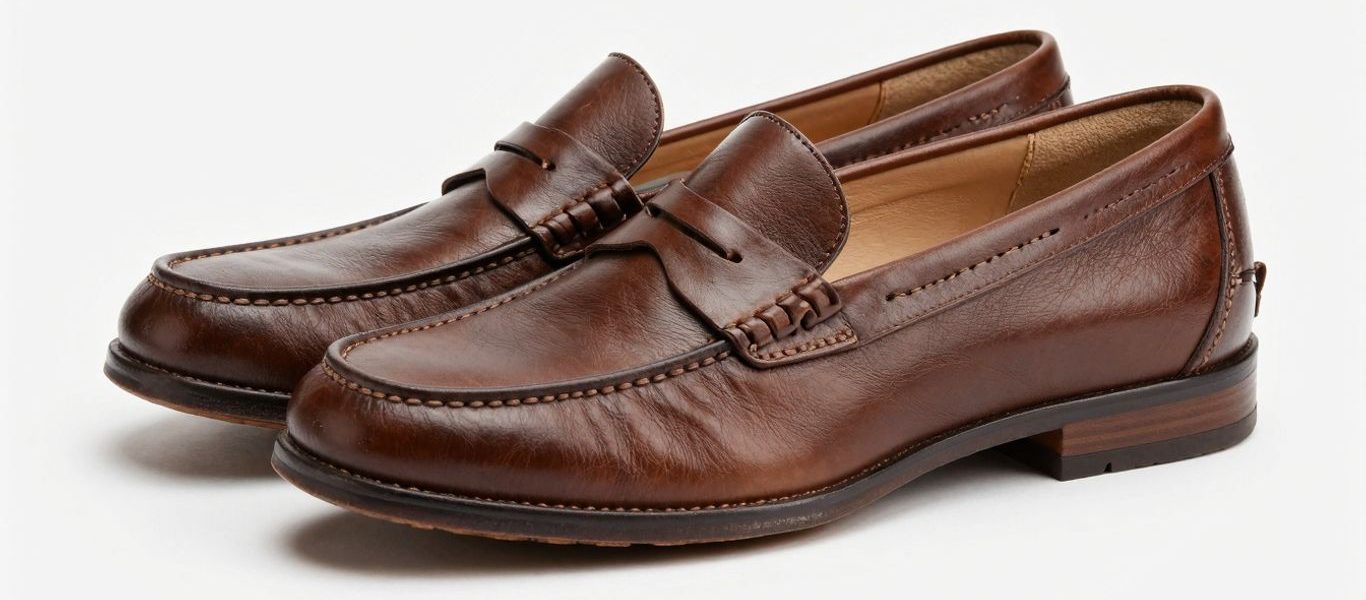

So, you’ve got yourself a new pair of penny loafers and you’re itching to wear them. But wait, they feel a bit stiff, right? That’s totally normal! Breaking in new shoes, especially leather ones, can be a real pain if you don’t do it right. Nobody wants blisters or sore feet just because they wanted to look good. This guide is all about how to break in penny loafers without the pain, so you can enjoy that classic style without the struggle. We’ll go over some simple ways to get them comfy.
Key Takeaways
- Start by wearing your new loafers for short periods, gradually increasing the time to let the leather slowly adjust to your feet.
- Using thick socks when wearing your loafers around the house can help stretch them out and provide a cushion against rubbing.
- Shoe stretchers are a good option for gently widening loafers if you want to speed up the process without much discomfort.
- Be kind to your feet; if they start to hurt, take a break and wear comfortable shoes, and consider using blister protection.
- Once broken in, using shoe trees will help your loafers keep their shape and last longer.
Understanding The Break-In Period
So, you’ve got a brand new pair of penny loafers, and they look amazing. But before you strut out the door for a full day, there’s a little something called the break-in period you need to know about. Think of it as an introductory phase, where your shoes get acquainted with your feet, and vice versa. It’s not just about comfort, though; it’s about making sure these shoes last and feel like they were made just for you.
The Essential Role Of Breaking In Loafers
Breaking in your loafers is like giving them a chance to settle in. When they’re fresh out of the box, they’re stiff and hold a pretty generic shape. Wearing them gradually allows the material to soften, flex, and stretch, slowly conforming to the unique curves and movements of your foot. This process is what transforms a new, potentially uncomfortable shoe into a comfortable, well-fitting companion. Skipping this step can lead to a lot of foot pain and might even shorten the lifespan of your investment. It’s about building a good relationship with your footwear from the start.
What Does Breaking In Shoes Truly Mean?
At its core, breaking in shoes means letting them adapt to your foot’s specific shape and how you walk. Initially, loafers are rigid. But with every step you take, the leather or other material starts to give a little. It softens up and begins to mold. This personalized fit is what makes a pair of shoes feel truly comfortable, almost like they were custom-made. It’s a gradual transformation from a generic form to a shape that perfectly matches your anatomy. This is why classic penny loafers are such a worthwhile investment; they’re built to last and mold to you.
Why The Break-In Process Is Crucial
Ignoring the break-in phase is a common mistake, and it can really impact your experience. Imagine wearing shoes that pinch or rub every time you take a step. That’s what happens when you don’t give them time to adjust. A proper break-in means:
- Reduced Discomfort: Say goodbye to blisters and sore spots.
- Improved Fit: The shoes will feel like they belong on your feet.
- Extended Shoe Life: Even wear and tear means your loafers will last longer.
- Better Support: As they mold, they’ll offer better support for your gait.
Rushing this process is a recipe for foot pain and can even lead to long-term issues. It’s better to take your time and let the shoes adapt naturally. Patience here really pays off in the long run.
This initial period might take anywhere from a few days to a couple of weeks, depending on the shoe material and how often you wear them. For instance, shoes with leather soles often take longer to break in than those with rubber soles. The key is consistency, but also listening to your feet. If they start to hurt, it’s a sign to give them a rest.
Gentle Methods For Stretching Your Loafers
The Gradual Wearing Technique
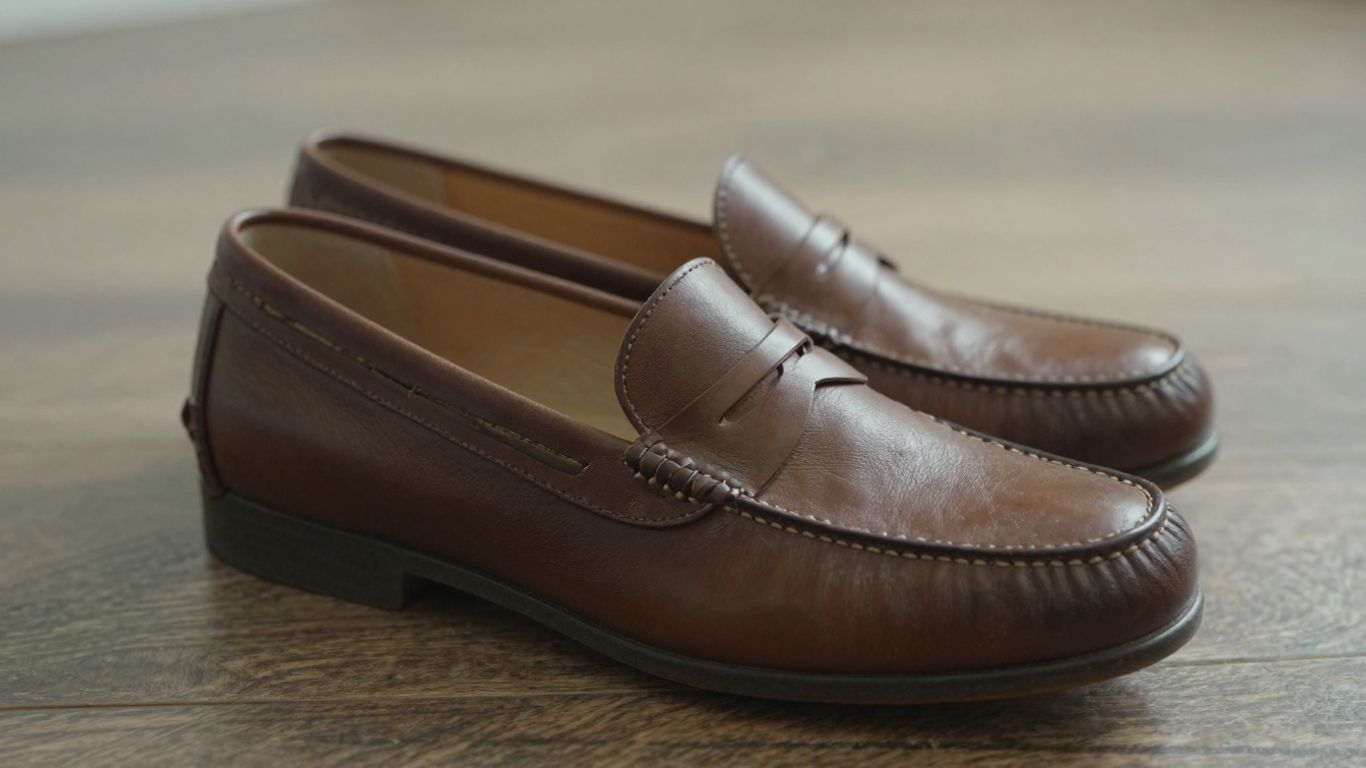
So, you’ve got your new penny loafers, and they feel a bit snug. That’s totally normal. The best way to start breaking them in is by just wearing them for short periods. Think of it like introducing a new pet to your home – you don’t just let them run wild immediately, right? Start by wearing your loafers around the house for an hour or two each day. This lets the leather start to mold to your foot’s shape without causing too much pain. Gradually increase the time you wear them as they start to feel more comfortable. It’s a slow and steady process, but it really works.
- Day 1-3: Wear for 1-2 hours at a time, only indoors.
- Day 4-7: Increase wear time to 3-4 hours, still mostly indoors or for very short errands.
- Week 2 onwards: Wear for longer periods, venturing outside for longer walks.
This patient approach prevents blisters and allows the shoe to adapt naturally to your foot’s unique contours.
Leveraging Thick Socks For Expansion
This is a classic trick, and for good reason. Wearing thick socks with your loafers adds extra bulk inside the shoe, which helps to gently stretch the material. It’s like giving your loafers a little workout. Put on the thickest pair of socks you own – wool socks work great for this – and then slip on your loafers. Walk around your house for a bit. You might feel a bit silly, but it’s effective! Do this for short sessions at first, just like the gradual wearing method. As the shoes loosen up, you can start wearing them with your regular socks.
Utilizing Shoe Stretchers Effectively
If you’re looking for a more direct approach, a shoe stretcher can be a real game-changer. These handy tools are designed to expand your shoes without you having to wear them. There are a couple of main types:
- Two-Way Stretchers: These look a bit like a foot and can be adjusted to add both length and width. You just insert it into the loafer, turn the crank to expand it to the desired tightness, and leave it overnight. It’s a good idea not to overdo it at first; maybe expand it a little, leave it for 24-48 hours, and then check the fit. You can always add more stretch later.
- Spot Stretchers (Ball-and-Ring): These are for when you have a specific tight spot, like over a bunion. They work like a clamp to apply pressure to just one area.
Remember to protect the inside of your shoe, especially if it’s delicate leather, by placing a thin plastic bag over the stretcher before inserting it. And always follow the stretcher’s instructions carefully to avoid damaging your new shoes.
Accelerating The Break-In Process
So, you’ve got new penny loafers and you’re itching to wear them, but they’re still a bit stiff. We get it. While patience is a virtue, sometimes you just need to speed things up a bit. Luckily, there are a few tricks up our sleeves to get those loafers feeling like old friends faster.
The Freezing Method For Quick Stretching
This one sounds a little wild, but it actually works. You’ll need some sealable plastic bags and your freezer. Fill the bags with water, making sure they’re sealed up tight – you don’t want any leaks inside your nice new shoes. Then, stuff these water bags into the parts of your loafers that feel tightest. Pop the shoes in the freezer overnight. As the water freezes, it expands, gently pushing the leather outwards. By morning, you should find your loafers have stretched a bit. It’s a good idea to check them and repeat if needed, but be careful not to overdo it.
Important Note: This method is best for a quick stretch and should be used sparingly. Always double-check that your water bags are completely sealed to prevent any water damage to the leather. It’s a bit of a last resort if you need them ready now.
Hair Dryer Technique For Leather
Another way to coax your loafers into shape is with a little heat. Put on a pair of thick socks – the thicker, the better. Then, squeeze your feet into your loafers. Now, grab a hairdryer and set it to a medium heat. Gently blow the hot air onto the tight spots of the shoes for about 20 seconds at a time. You’ll want to keep the dryer moving so you don’t scorch the leather. After each burst of heat, let the shoes cool down for a bit. You can flex your feet while they’re warm to help the leather mold. Repeat this process a few times, aiming for a total heating time of a few minutes. This helps the leather become more pliable, and the thick socks help stretch it out as it cools.
Understanding The Timeline For Loafers
How long does this whole break-in thing take, anyway? Well, it really depends. The material of the loafer plays a big part, as does how snug they felt right out of the box. But generally speaking, if you’re using a mix of gentle wearing and some of these faster methods, you should start to feel a noticeable difference within a week or two. Some people might get there faster, others might need a bit more time. The key is consistency and not pushing your feet too hard too soon. It’s better to take an extra day or two than to end up with painful blisters that set you back even further.
Minimizing Discomfort During Break-In
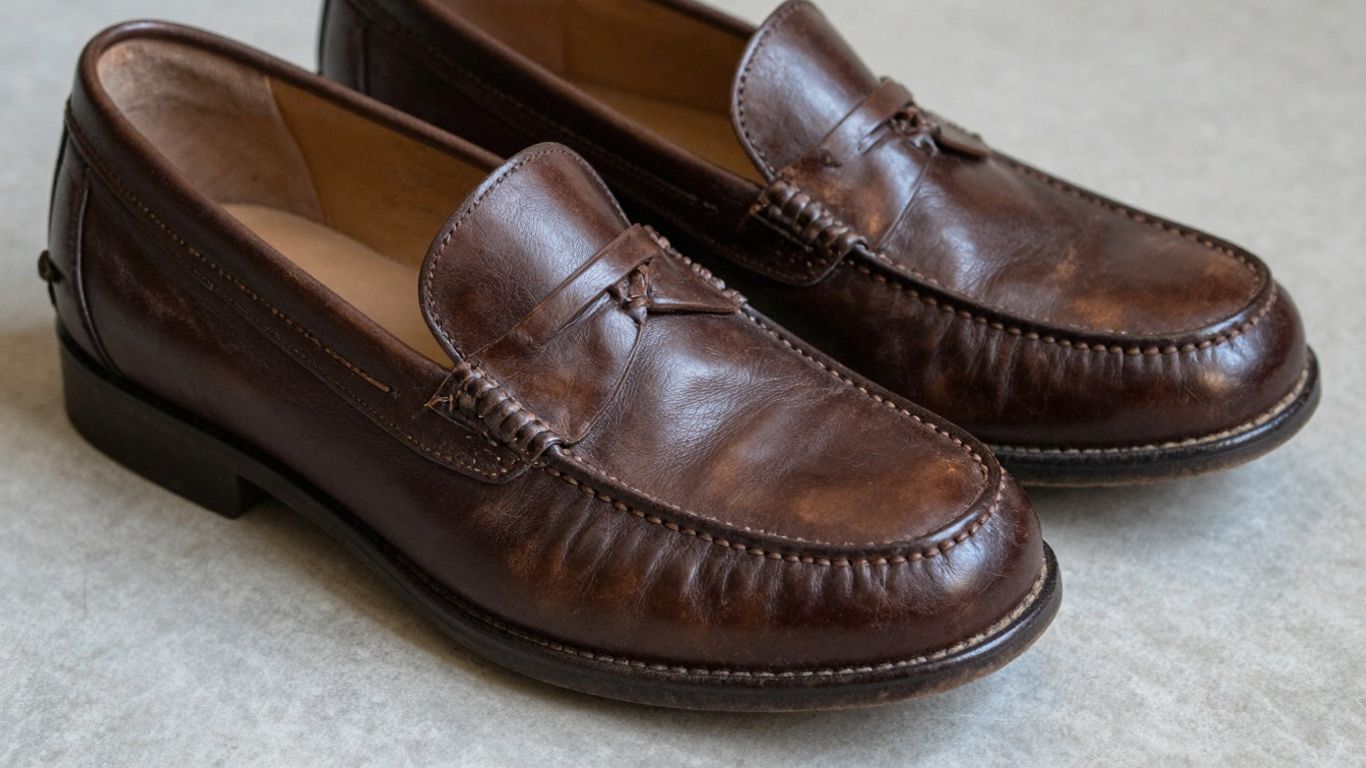
So, you’ve got your new penny loafers, and they’re feeling a bit stiff. Nobody wants blisters or sore feet while their new shoes get acquainted with their feet. The good news is, there are ways to make this transition smoother. It’s all about being smart and a little bit gentle with both your feet and your new footwear.
Protecting Your Feet From Friction
This is where you become your own best friend. When new shoes rub, they can cause some serious ouchies. Think of it like this: your feet and shoes are getting to know each other, and sometimes that involves a little friction. To avoid that, you can use a few tricks.
- Padding: Grab some blister cushions, bunion pads, or even just some good old adhesive bandages. Stick them on the spots where you feel the shoe rubbing the most – usually heels or the sides of your toes.
- Lubrication: A little bit of lotion, petroleum jelly, or even antiperspirant rubbed on your feet in those sensitive areas can create a slick barrier. This makes it harder for the shoe to chafe.
- Thick Socks: Wearing thicker socks, like athletic or wool socks, when you’re first trying on your loafers around the house can help stretch them out a bit while also providing a buffer for your skin. It’s a win-win.
When To Give Your Feet A Rest
Listen to your feet. Seriously. If they’re screaming in protest, don’t ignore them. Pushing through too much pain can lead to blisters that take ages to heal and might even make you hesitant to wear your new shoes again.
- Short Bursts: Start with wearing your loafers for just an hour or two at a time. Gradually increase the duration as they start to feel more comfortable.
- Backup Shoes: Always have a comfortable, broken-in pair of shoes with you, especially during the initial break-in phase. If your feet start to ache, you can switch.
- Healing Time: If you do get a blister or a hot spot, give your feet a day or two to recover before trying the loafers again. Sometimes, a little break is all that’s needed.
The Importance Of Proper Sizing
This might seem obvious, but it’s worth repeating: getting the right size from the start makes all the difference. If your loafers are fundamentally too small or too large, no amount of breaking in will make them truly comfortable. It’s like trying to fit a square peg in a round hole. When loafers fit correctly, they’ll still need a break-in period, but the discomfort will be manageable, not agonizing. Remember, a well-fitting pair of loafers, like those often paired with jeans and a trench coat [2385], will feel great once they’re molded to your feet.
Trying to force a shoe that’s the wrong size to fit is a losing battle. It’s better to exchange them for the correct size before you even start the break-in process. Your feet will thank you later.
Maintaining Loafer Shape Post Break-In
So, you’ve gone through the whole process, and your penny loafers finally feel like they were made just for you. Awesome! But the journey doesn’t quite end there. Keeping them in good shape after they’re broken in is pretty important if you want them to last and keep looking sharp. It’s all about preserving that perfect fit and the overall look of the shoe.
The Role Of Shoe Trees
Think of shoe trees as the personal trainers for your loafers when you’re not wearing them. They do a couple of really important things. First off, they help soak up any moisture that might be lingering inside the shoe from a long day out. This is super helpful for preventing that musty smell and keeping the leather healthy. Secondly, and this is a big one, they gently push out any creases or wrinkles that might have formed while you were walking around. This keeps the loafer’s structure intact, stopping it from getting all saggy and misshapen over time. Using cedar shoe trees is a great idea because cedar naturally absorbs moisture and has a pleasant scent. It’s a simple step, but it makes a noticeable difference in how long your loafers look and feel great.
Preserving Loafer Integrity
Beyond just using shoe trees, there are a few other things you can do to keep your loafers in top condition. It’s not rocket science, really. Just a bit of regular attention goes a long way.
- Rotate Your Footwear: Don’t wear the same pair of loafers every single day. Giving them a day or two off allows them to fully dry out and recover their shape. This also reduces wear and tear.
- Clean Them Regularly: Depending on the material, give them a wipe-down or brush after wearing. For leather, a good polish every so often can keep the material supple and prevent it from drying out. Check out this guide on how to clean loafers for more details.
- Store Them Properly: When not in use, keep them away from direct sunlight or extreme heat, which can damage the material. A dust bag can also protect them from getting scratched.
Taking care of your loafers after the break-in period is like tending to a good friendship. A little effort now means a long, comfortable, and stylish relationship down the road. It’s about respecting the craftsmanship and ensuring they remain a reliable part of your wardrobe for years to come.
It might seem like a lot, but honestly, it becomes second nature pretty quickly. You get used to slipping the shoe trees in, giving them a quick wipe, and putting them away. It’s a small price to pay for keeping those penny loafers looking and feeling fantastic, ready for whatever the day throws at you. Remember, a well-maintained shoe is a happy shoe, and happy shoes make for happy feet. You can even try wearing thick socks around the house occasionally to keep them from feeling too stiff if you haven’t worn them in a while [1a7d].
The Final Step: Enjoying Your Pain-Free Loafers
So there you have it. Breaking in those new penny loafers doesn’t have to be a painful ordeal. By taking it slow, using a few simple tricks like thick socks or even a shoe stretcher if you’re in a hurry, you can get them molded to your feet without all the blisters. Remember, a little patience goes a long way. Soon enough, your loafers will feel like they were made just for you, ready for whatever the day throws your way. Now go ahead and rock those comfy shoes!
Frequently Asked Questions
Why do I need to break in my loafers?
Breaking in your loafers is super important because new shoes are often stiff and can rub your feet the wrong way, leading to blisters and sore spots. It’s like letting the shoes get used to your feet, so they become comfy and fit perfectly, almost like they were made just for you. Plus, it helps your loafers last longer by making sure the material stretches and softens evenly.
How long does it usually take to break in loafers?
The time it takes can change depending on the shoe’s material and how tight they feel at first. But, if you’re patient and wear them a little bit each day, most loafers will start feeling much better and more comfortable within about a week or two. It’s a gradual process, so give it time!
Can I speed up the break-in process?
You can try a few tricks to speed things up! Wearing thick socks around the house in your loafers helps stretch them out. Some people use a hairdryer on low heat for short bursts on the tight spots, then walk around while they cool. Another method involves putting sealed bags of water inside the shoes and freezing them, as the expanding ice can stretch the leather. Just be careful not to damage the shoes!
What’s the best way to avoid pain while breaking in loafers?
The key is to not wear them for too long at first. Start by wearing them for just an hour or two at home. If you feel any pinching or rubbing, take them off. Always have a backup pair of comfortable shoes with you when you go out. You can also use special blister bandages or balm on spots that tend to get sore.
Should I use shoe stretchers?
Shoe stretchers can be really helpful, especially if you have a spot that’s particularly tight or if you want to speed things up without causing yourself pain. You just insert the stretcher, adjust it to apply gentle pressure, and leave it overnight. It helps widen the shoe gradually and safely.
What should I do after my loafers are broken in?
Once your loafers feel great, you’ll want to keep them that way! Using shoe trees inside them when you’re not wearing them is a great habit. Shoe trees help the loafers keep their shape, preventing them from getting flattened or misshapen over time. This helps them look good and feel comfortable for a long time.