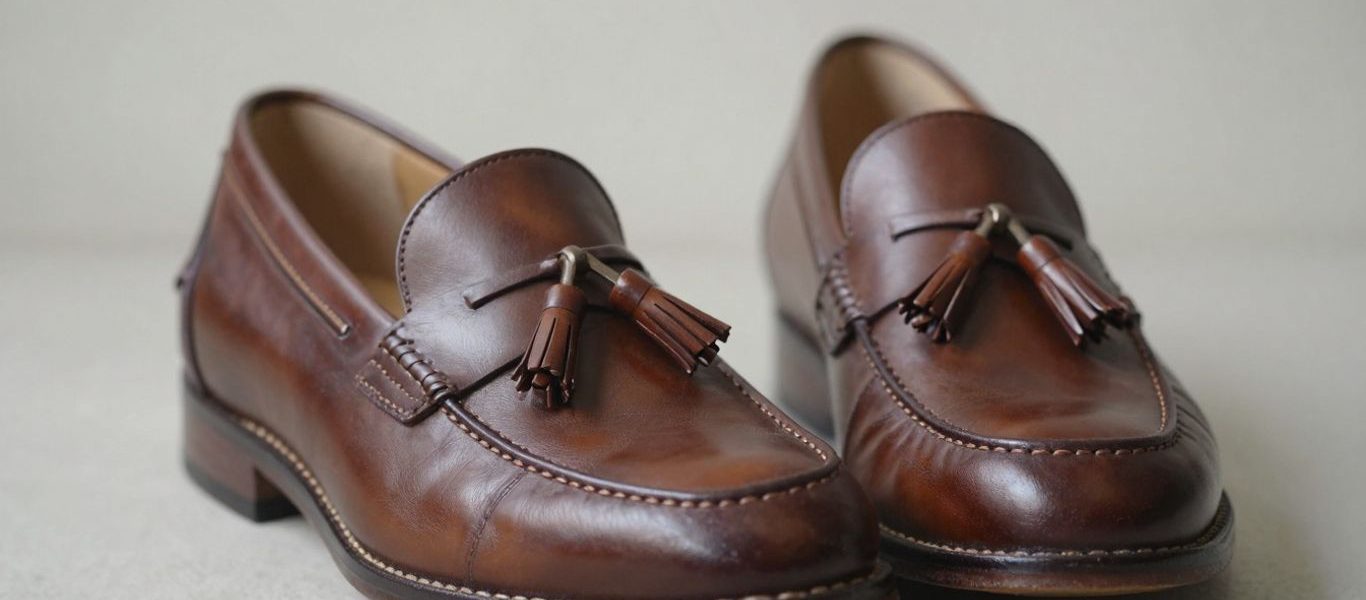

Finding the right fit for your tassel loafers can feel like a puzzle, but it doesn’t have to be. This guide is here to break down exactly how tassel loafers should fit, so you can step out in comfort and style every time. We’ll cover everything from that initial snug feeling to how they should feel after a few wears. Getting the fit right is the first step to making these versatile shoes a true staple in your wardrobe.
Key Takeaways
- Tassel loafers should feel snug all around your foot without being tight. There shouldn’t be any extra space in the length or width.
- A good fit means your heel stays put. You shouldn’t feel your heel lifting or slipping out of the shoe when you walk.
- The toe box should offer enough room for your toes to wiggle slightly, preventing any uncomfortable pinching or pressure.
- Materials like suede tend to stretch and mold to your foot over time, while leather offers more structure and might require a bit more break-in.
- Pay attention to how the shoes feel during the break-in period; minor discomfort is normal, but persistent pain means you might need a different size or width.
Understanding The Tassel Loafer Fit
The Importance Of A Snug Fit
Getting the fit right on your tassel loafers isn’t just about comfort; it’s about how the shoe looks and performs. A well-fitting loafer looks sharp and feels secure, making you feel more confident with every step. Too loose, and they’ll slouch and look sloppy. Too tight, and you’ll be counting down the minutes until you can take them off. The goal is a fit that feels like a gentle hug for your feet – snug, but not constricting. This means your foot should feel supported all around, without any excessive movement inside the shoe. Think of it as the foundation for your entire outfit; if the foundation is off, the whole look can suffer.
Avoiding Pinching And Slipping
When you try on tassel loafers, pay close attention to how they feel. You don’t want any spots that dig into your foot, especially around the edges or the heel. Pinching is a clear sign the shoe is either too narrow or the wrong shape for your foot. On the flip side, if your heel lifts significantly when you walk, or your foot slides forward, they’re too big. This slipping and sliding isn’t just annoying; it can lead to blisters and make walking feel unstable. A good fit means your foot stays put, allowing the shoe’s design to do its job without causing discomfort or looking awkward.
Assessing Length And Width
When checking the length, make sure there’s a little bit of space at the end of the toe box, usually about a thumb’s width. You shouldn’t feel your toes jammed against the front. For width, the shoe should feel snug across the widest part of your foot, where your toes meet your foot. It shouldn’t feel like your foot is spilling over the sides, nor should it feel like there’s a ton of extra material pressing in. Different brands and styles can vary, so it’s always best to try them on and walk around a bit to really get a feel for it. Remember, leather and suede will give a little over time, but you can’t add material if a shoe is fundamentally too small or too wide.
Key Indicators Of A Proper Fit
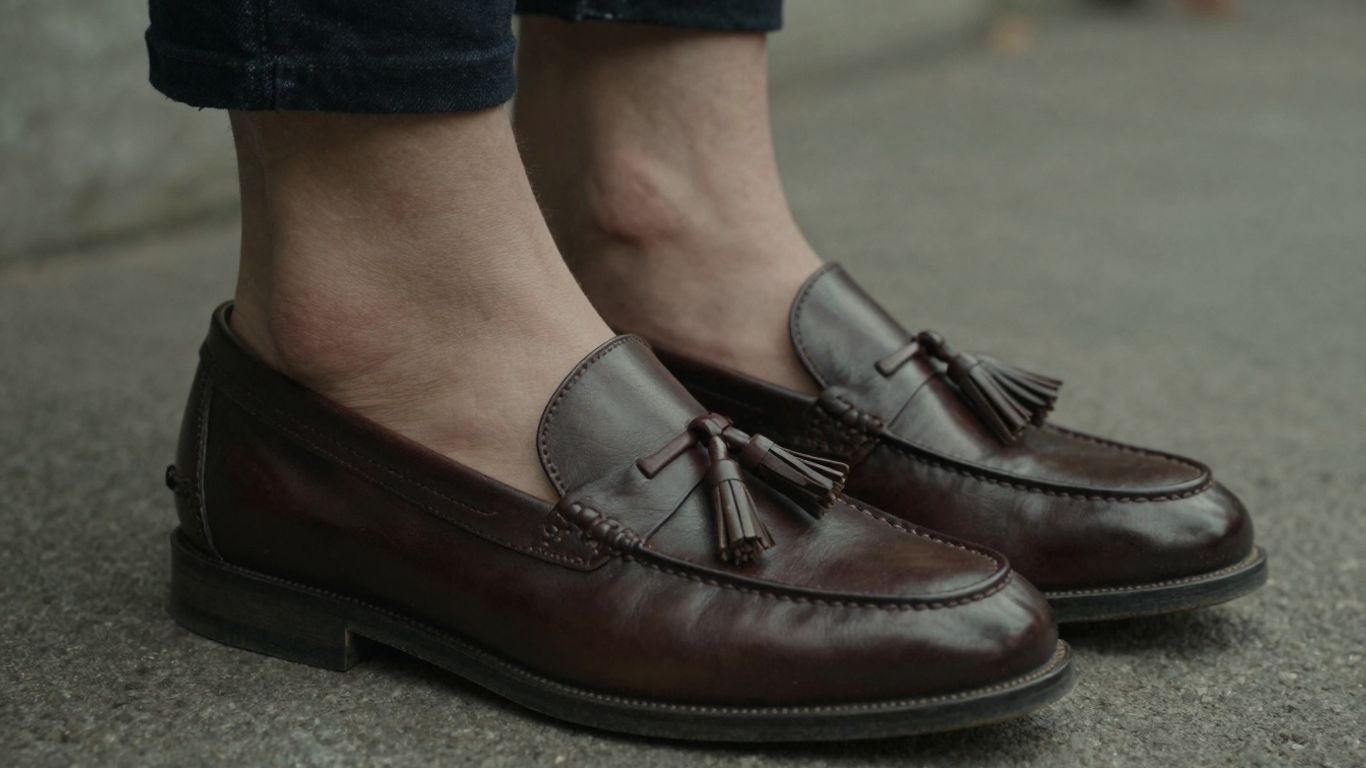
So, you’ve got your tassel loafers, and they look sharp. But how do you really know if they fit right? It’s not just about slipping them on and walking out the door. A good fit means comfort for hours and shoes that last. Let’s break down what to look for.
Heel Grip and Stability
This is a big one. When you walk, your heel shouldn’t lift excessively out of the shoe. A little bit of movement is okay, especially when they’re new, but you shouldn’t feel like you’re doing a little dance with every step. If your heel is slipping out, the shoe is likely too big, or maybe the width is off. You want a snug, secure feeling at the back. Think of it like a firm handshake – confident and stable, not loose and wobbly.
- Check for slippage: Walk around your house for a few minutes. Does your heel stay put?
- Gentle pressure: Try pressing down on the back of the heel. It should feel firm, not mushy or overly stiff.
- No "clunking": Your foot shouldn’t feel like it’s sliding around inside the heel cup.
Toe Box Comfort
Your toes need room to breathe, plain and simple. The front part of the loafer, the toe box, shouldn’t feel like a vise. You should be able to wiggle your toes freely. If you feel pressure on the sides or the top of your toes, it’s a sign the loafers might be too narrow or too short. Remember, leather and suede will stretch a bit over time, but they won’t magically create space where there isn’t any to begin with. A properly fitting toe box prevents blisters and keeps your feet happy all day long.
Arch Support Assessment
Loafers aren’t typically known for robust arch support like a running shoe, but they should still offer some. When you put the shoe on, you should feel a gentle, supportive curve under your arch. It shouldn’t feel like there’s a gap, nor should it feel like there’s a hard, unyielding lump. The shoe should follow the natural contour of your foot. If you have particularly high or low arches, you might need to consider insoles, but the base fit of the loafer itself should feel reasonably supportive.
The sweet spot for fit is where the shoe feels like a natural extension of your foot. It should be snug enough to feel secure, but not so tight that it causes discomfort or restricts movement. Pay attention to how the shoe flexes with your foot – it should bend where your foot naturally bends.
The Role Of Material In Fit
Suede’s Adaptability
Suede, with its soft, napped surface, has a unique way of conforming to your foot over time. It’s generally more forgiving than stiffer leathers right out of the box. This adaptability means suede tassel loafers often feel comfortable with less break-in time. However, this pliability also means they might stretch a bit more with wear, so starting with a snug fit is still important. Think of suede as a material that molds to you, offering a personalized feel that gets better with age. It’s great for a more relaxed look, but don’t underestimate its ability to pair with smarter outfits too.
Leather’s Structure
Traditional leather, especially calfskin or cordovan, offers a more structured fit. These materials have less give initially, meaning they require a more deliberate break-in period. The structure provides excellent support and helps the shoe maintain its shape, which is key for a consistent fit over the years. When you first try on leather tassel loafers, they should feel snug but not painfully tight. The leather will gradually soften and stretch slightly to match the contours of your foot. This makes them a solid choice if you prefer a shoe that holds its form and offers a more supportive feel from the start.
Vegan Alternatives
Vegan materials have come a long way, and many modern alternatives mimic the look and feel of both suede and leather. Some vegan leathers can be quite stiff initially, requiring a bit more patience during the break-in phase. Others are designed to be softer and more flexible from the get-go. When considering vegan tassel loafers, pay close attention to the specific material description. Some might offer breathability similar to natural leather, while others might feel warmer. The key is to find a material that offers the right balance of structure and comfort for your foot, much like its natural counterparts.
Styling Your Tassel Loafers For The Perfect Look
Alright, so you’ve got your tassel loafers fitting just right – that’s half the battle won. Now, let’s talk about making them the star of your outfit. These aren’t just shoes; they’re a statement, and how you pair them really matters.
The Hemline Rule
This is a big one, seriously. Your pant hem needs to hit at the right spot to really show off those tassels. We’re talking about the 9/10th rule, or just above the ankle. It lets people see the shoe’s silhouette and that cool tassel detail. Forget about pants pooling around your ankles; it just looks sloppy and hides the best part of the shoe. Whether you’re going for tailored wool trousers or even a nice pair of jeans, getting the length right makes a world of difference. It keeps the whole look sharp and modern.
Sock Choices For Every Occasion
Socks might seem minor, but they can totally make or break your loafer look. For anything leaning towards business casual, like a meeting or a nice dinner, opt for dress socks. Think subtle patterns or colors that complement your trousers and loafers. If you’re going full casual, like a weekend brunch or just hanging out, no-show socks are your best friend. They give you that clean, relaxed vibe without the sock line showing. It’s all about that effortless, put-together feel.
Color Coordination With Trousers
Getting the colors right is pretty straightforward but makes a huge impact. Dark brown tassel loafers are super versatile. They look fantastic with blues, greys, and creams. Think navy trousers, charcoal grey pants, or even some lighter khaki chinos. This palette is pretty much foolproof and gives off a sophisticated, almost Italian-inspired flair. It’s a simple way to ensure your outfit looks intentional and stylish without overthinking it. You can even try pairing them with a simple plain t-shirt and a solid blazer for a sharp look. Check out some styling ideas.
When you’re putting together an outfit with tassel loafers, think about letting the shoes be the focal point. They have enough detail to stand on their own, so you don’t need to go overboard with busy patterns elsewhere in your outfit. A clean, well-fitting ensemble will always let your loafers shine.
When To Consider A Different Size
So, you’ve tried on your new tassel loafers, and something feels a little off. It happens! Finding the perfect fit is key to comfort and style, and sometimes, that means admitting the current size isn’t quite right. Don’t just power through; let’s figure out if a different size is what you need.
Signs Of A Loafer That Is Too Tight
When a loafer is too snug, it’s usually pretty obvious. You’ll feel it pretty quickly, often within minutes of putting them on. Here are the main red flags:
- Pressure Points: You’ll notice specific spots where the shoe is digging in. This could be along the sides of your foot, across the top of your arch, or even around the heel. It’s not just a snug feeling; it’s uncomfortable pressure.
- Toe Squeeze: Your toes feel cramped or bunched up. You shouldn’t have to wiggle your toes to get them comfortable; they should have a little room to breathe.
- Red Marks: After wearing them for a short while, you might see red marks or indentations on your feet where the shoe has been pressing too hard.
- Difficulty Slipping On: If you’re really struggling to get your foot into the loafer, even with the right socks, it’s a strong sign it’s too small.
A loafer that’s too tight won’t just be uncomfortable; it can actually cause foot problems over time, like blisters, bunions, or even nerve issues. It’s really not worth the pain.
Recognizing A Loafer That Is Too Loose
On the flip side, a loafer that’s too big is just as problematic, if not more so. You might not realize it at first, but you’ll start to notice issues as you walk.
- Heel Slippage: This is the big one. When you walk, your heel lifts significantly out of the shoe. This is not only annoying but can lead to blisters and an awkward gait.
- Excessive Wiggle Room: Your foot slides around inside the shoe too much. There’s too much space side-to-side, and your foot doesn’t feel secure.
- Gapping: You might see a noticeable gap between the top of your foot and the shoe’s tongue, or the sides of the shoe might bulge outwards.
- Toes Dragging: Because your foot isn’t held properly, you might find yourself dragging your toes when you walk, which can damage the shoes and make you trip.
The Impact Of Foot Swelling
It’s also worth remembering that feet aren’t static. They change throughout the day and depending on conditions. Foot swelling is a common factor that can affect how your loafers fit.
- Time of Day: Feet tend to swell as the day goes on. If you’re trying on shoes first thing in the morning, they might feel fine, but too tight by the afternoon. It’s often best to try shoes on later in the day when your feet are at their largest.
- Activity Level: After a long day of walking or standing, your feet will likely be more swollen than when you first woke up.
- Temperature: Hot weather can also cause feet to swell slightly.
If your loafers feel perfectly fine when you first put them on but become uncomfortably tight by the end of the day, it might be a sign that they’re just a little too snug, or that you need to account for natural swelling. Sometimes, a half-size up or a different width can make all the difference, especially if you plan on wearing them for extended periods.
Breaking In Your New Tassel Loafers
Gradual Wear-In Process
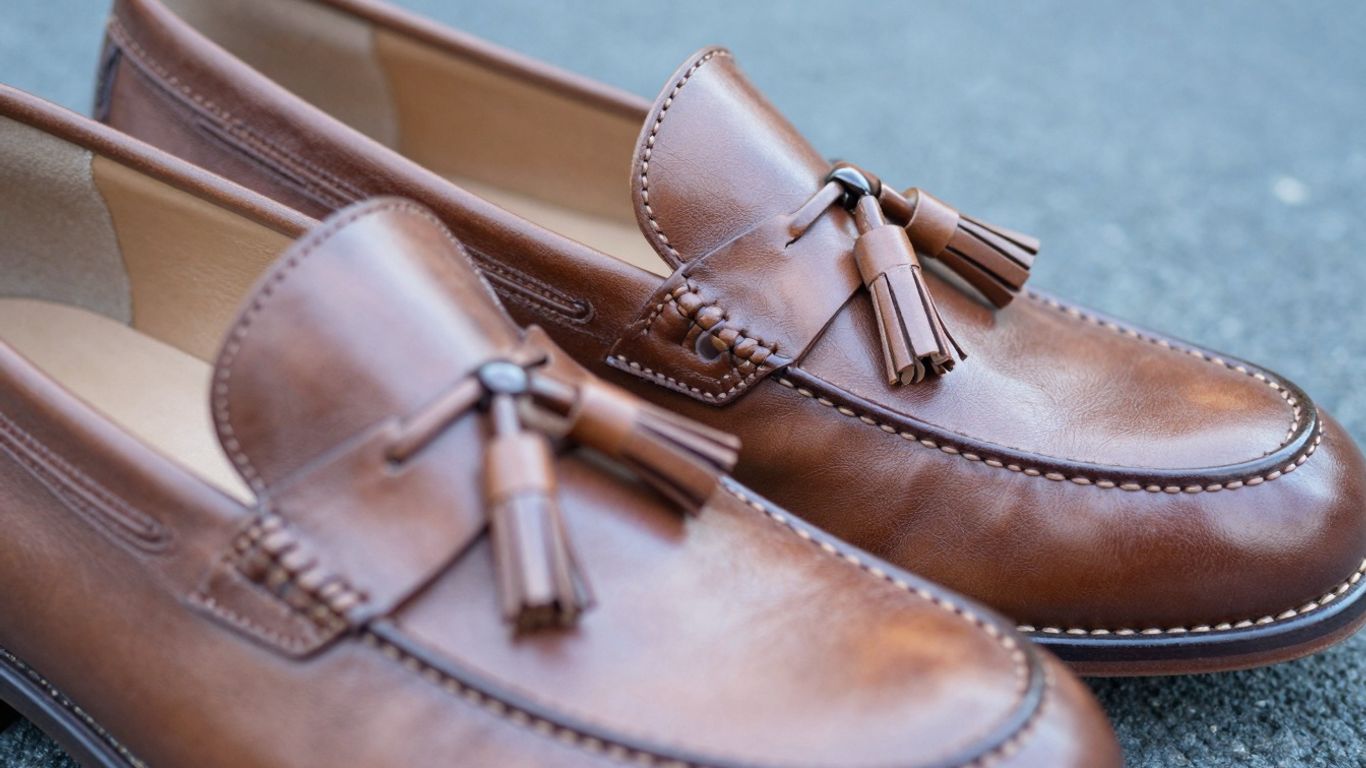
So, you’ve got a fresh pair of tassel loafers, and they feel a bit stiff. That’s totally normal! The key is to ease them into your routine, not rush it. Think of it like getting to know a new friend – you wouldn’t spill all your secrets on the first meeting, right? Start by wearing them around the house for an hour or two each day. This lets the leather (or whatever material they’re made of) start to mold to the unique shape of your feet without any pressure. Gradually increase the time you wear them out and about. Maybe start with a quick trip to the grocery store or a short walk. This slow and steady approach is way better than trying to power through a whole day in brand-new, uncooperative shoes. It helps prevent blisters and ensures the shoes stretch just right.
Addressing Initial Discomfort
Even with a gradual approach, you might hit a few rough spots. If you notice any specific areas rubbing or feeling tight, don’t just ignore it. You can use a good quality pair of thicker socks when you’re wearing them around the house to help stretch those spots a bit more. Another trick is to gently flex the shoe with your hands when you’re not wearing them, especially in the areas that feel stiff. Some people also swear by wearing them for short bursts during activities that involve a lot of walking, like running errands. Just be prepared to switch to your old, comfy shoes if things get too uncomfortable. It’s all about finding what works for your feet and the specific pair of loafers you have.
Maintaining Shape And Fit
Once your tassel loafers are broken in and feeling great, you’ll want to keep them that way. After you wear them, give them a quick wipe down, especially if they’re suede, to remove any dust or dirt. Using shoe trees is a game-changer here. Cedar shoe trees not only help absorb moisture and odor but also keep the loafers’ shape so they don’t get all creased and sad-looking. Store them away from direct sunlight or extreme heat, which can dry out and damage the material. Rotating your shoes – meaning not wearing the same pair every single day – also gives them a chance to air out and recover their shape. This simple care routine will make your loafers last much longer and keep them fitting perfectly.
Wrapping It Up
So there you have it. Getting the fit right on your tassel loafers isn’t some big mystery. It’s about feeling them snug but not tight, with a little room to breathe. Remember, a good fit means comfort all day long and a look that’s polished, not sloppy. Take your time, try them on, and don’t be afraid to walk around a bit. Your feet will thank you, and your style game will definitely get a boost. Now go find that perfect pair!
Frequently Asked Questions
How should tassel loafers feel when I first try them on?
When you first put on tassel loafers, they should feel snug, like a gentle hug for your feet. Your heel shouldn’t slip up and down when you walk, and your toes should have a little room to wiggle, but not so much that your foot slides around. It’s important they don’t feel too tight or pinch anywhere, especially around the sides or the top of your foot.
What’s the difference between leather and suede tassel loafers when it comes to fit?
Leather loafers tend to be a bit stiffer at first and need more time to break in. They hold their shape well, which is great for a structured fit. Suede, on the other hand, is softer and more flexible from the start. It molds to your foot more easily, offering a cozier feel sooner, but might stretch out a bit more over time.
How do I know if my tassel loafers are too big?
If your loafers are too big, you’ll notice your heel lifting out of the shoe with every step. Your foot might also slide forward, causing your toes to bunch up or hit the front of the shoe. You might feel like you have to grip with your toes to keep them on, which is uncomfortable and not good for your feet.
What should I do if my new tassel loafers are a bit uncomfortable at first?
Don’t worry if new loafers feel a little stiff or rub a bit at first. The best way to break them in is to wear them for short periods at home. Try wearing them with socks around the house for an hour or two each day. This helps the material stretch and shape to your foot without causing blisters from longer wear.
Can foot swelling affect how my tassel loafers fit?
Yes, foot swelling can definitely change how your loafers fit, especially on warmer days or after a lot of walking. If your feet tend to swell, you might find that loafers that fit perfectly in the morning feel a bit too snug by the afternoon. It’s good to be aware of this and perhaps wear slightly thicker socks if needed.
Is it okay to wear tassel loafers without socks?
Wearing tassel loafers without socks is a popular style, especially in warmer weather or for a more relaxed look. However, it’s crucial that the inside of the shoe is comfortable against your bare skin. If the material is rough or you tend to sweat a lot, wearing no-show socks is a good idea to keep your feet comfortable and prevent odor.