
Finding the right fit for loafers can be tricky, and honestly, it’s different from sneakers. You know, those comfy athletic shoes you wear? Yeah, loafers aren’t like that at all. They’re a bit more particular. This guide is all about helping you figure out how penny loafers should fit, so you can get that perfect pair without any fuss. We’ll cover what to expect, how to size them right, and what to do if they feel a little off. Because let’s be real, nobody wants uncomfortable shoes, especially ones that are supposed to look sharp.
Key Takeaways
- Loafers should feel snug, like a glove, but never painful. That initial tightness is normal.
- Most people need to go down a half or even a full size from their usual sneaker size.
- Leather loafers stretch in width and height over time, but they don’t get longer.
- Your heel shouldn’t lift completely out of the shoe when you walk, though some slight movement is okay.
- If your loafers are a bit loose, try adding an insole or wearing thicker socks to make them more secure.
Understanding The Perfect Loafer Fit
The Snug Feel: What to Expect Initially
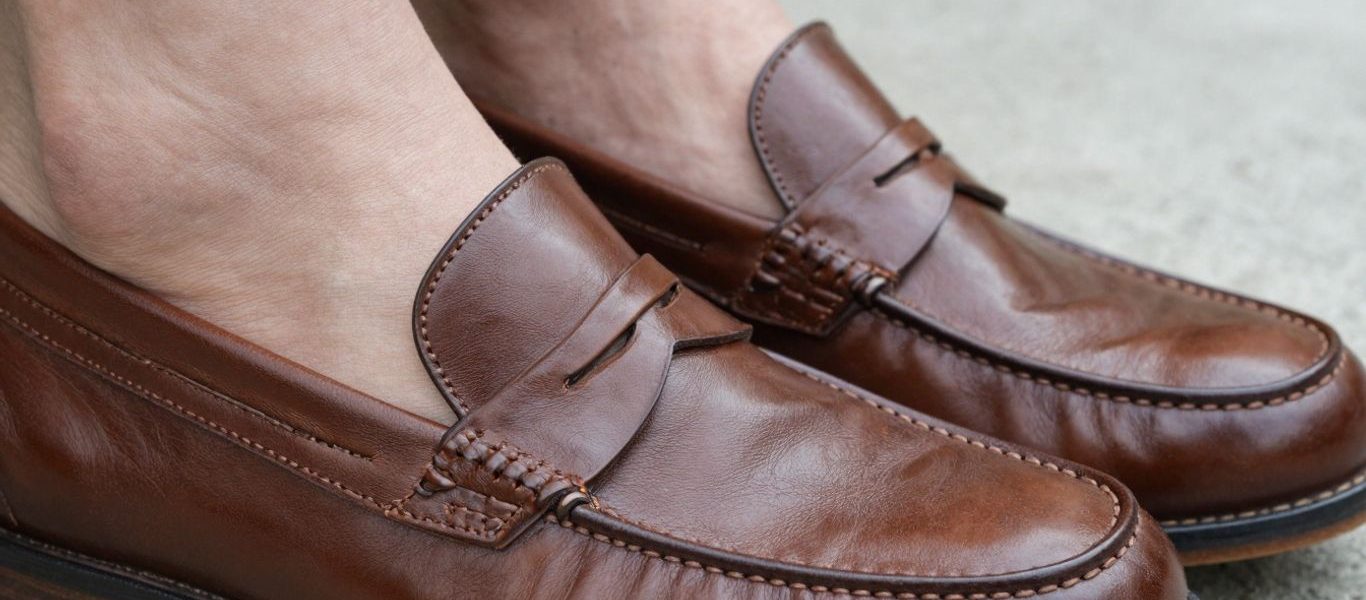
When you first slip on a new pair of loafers, they should feel snug. Think of it like a firm handshake for your feet – supportive, but not painful. This initial tightness is exactly what you want. It’s a sign that the leather is ready to mold to your foot’s unique shape over time. If they feel loose right out of the box, chances are they’ll only get baggier with wear, leading to an uncomfortable fit and a less-than-stylish look. It’s a common misconception that loafers should be comfortable from the get-go, like a pair of sneakers. That’s just not how quality leather shoes work.
Why Loafers Require a Different Approach Than Sneakers
Sneakers are often designed with more give, sometimes made from mesh or synthetic materials, and they usually have laces to cinch them down. This means you can get away with a slightly looser fit. Loafers, on the other hand, are typically constructed from leather and lack any lacing system. This means their fit is pretty much set once you put them on. Because of this, you really need to aim for a snug fit from the start. If you’re used to the roomy feel of athletic shoes, this might feel a bit strange at first. Remember, loafers are meant to hug your foot, not swallow it. Getting the right fit for men’s loafers is a different ballgame than lacing up your favorite trainers.
The Role of Material and Construction in Fit
The way a loafer is made plays a big part in how it feels and fits. Different construction methods, like Blake stitching or Goodyear welting, affect the shoe’s flexibility and how it will eventually stretch. For instance, unlined loafers tend to stretch more than their lined counterparts because there’s less material to hold them in shape. The type of leather also matters; some leathers are naturally softer and more forgiving, while others are stiffer and require a longer break-in period. Understanding these nuances helps you anticipate how a particular pair will adapt to your foot over time.
Achieving The Ideal Loafer Size
Finding the right size for loafers isn’t quite like grabbing a pair of sneakers off the shelf. It’s a bit more involved, and honestly, most guys get it wrong the first time. Because loafers are laceless and made of leather, they need to fit differently. They should feel snug from the get-go, almost like a glove hugging your foot. If you’re used to the roomy feel of athletic shoes, this might feel a little tight, but that’s exactly where you want to be.
Sizing Down: The Key to Loafer Perfection
This is probably the most important takeaway: you’ll almost always need to size down in loafers. Think about it – sneakers often have a bit of give, maybe some mesh or synthetic materials that allow for movement. Loafers, especially good leather ones, don’t have that. If you buy them with the same amount of room you’d expect in a sneaker, your foot will swim in them. A good rule of thumb is to go down at least a half-size, and sometimes even a full size, from your typical sneaker size. It might feel a bit snug initially, but remember, leather stretches.
Considering Socks or Sockless Wear
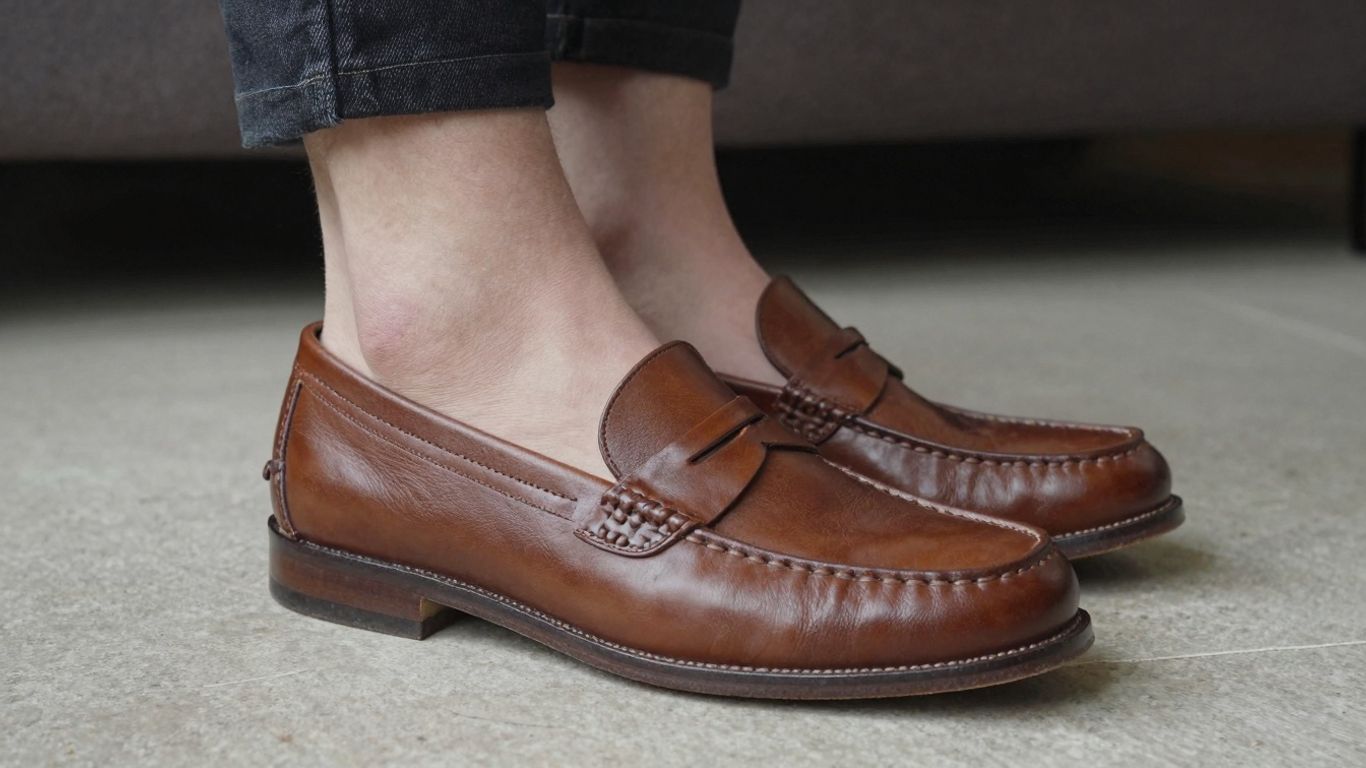
How you plan to wear your loafers makes a difference in sizing. Are you a socks-with-loafers kind of person, or do you prefer going sockless? If you’re planning on wearing thin dress socks, make sure you try on the loafers with them. If you’re going sockless, especially with unlined loafers that tend to stretch more, you might need to size down even further to account for that lack of material. It’s all about getting that snug, secure fit without any painful pressure points.
The Brannock Device: Your Sizing Starting Point
Forget what you think your shoe size is. The best way to start is by getting properly measured. The Brannock device, that metal contraption you see in shoe stores, is your friend here. It measures the length, width, and even the arch of your foot. Knowing your actual Brannock size gives you a solid number to work with when you start looking at different brands. It’s a much more reliable starting point than just guessing or sticking to a size you’ve worn for years.
Here’s a quick look at how your loafer size might compare:
| Shoe Type | Typical Fit Compared to Brannock | Notes |
|---|---|---|
| Sneakers | Brannock size or slightly larger | Often designed for more foot movement |
| Loafers | 0.5 to 1 full size smaller | Needs a snug, glove-like fit initially |
| Dress Shoes | 0.5 size smaller | Varies by style, but generally snugger |
Don’t just rely on a number. While measurements are helpful, how a shoe feels on your foot is the ultimate test. What works for one person might not work for another, even if their Brannock sizes are the same. Pay attention to how the shoe interacts with the unique shape of your foot.
Assessing Your Loafer’s Fit
So you’ve got your new loafers, and now it’s time to figure out if they’re actually going to work for your feet. This is where things get a little more hands-on. It’s not just about looking good; it’s about feeling right, too. Remember, loafers are different from sneakers, and they demand a bit more attention to detail when it comes to fit.
The Heel Grip: Preventing Unwanted Slippage
This is a big one. When you walk, your heel should stay put. It shouldn’t be lifting up and out of the shoe with every step. Now, that doesn’t mean your heel is glued in place. If you sit down and flex your foot, or cross your leg, you might notice a little bit of movement, and that’s usually okay. The key is that during normal walking, your heel stays grounded. If it’s slipping out completely, the shoe is likely too big, or perhaps the width is off.
- Walk around: Take a few laps in the store or around your house. Pay attention to your heel.
- Flex your foot: While sitting, try lifting your heel slightly by flexing your arch. A little lift is fine.
- No complete lift: If your heel comes completely out of the shoe while walking, that’s a problem.
Toe Box Room: Comfort and Length Considerations
Your toes should have a little bit of breathing room, but not so much that they’re swimming around. When you first put the loafers on, you should feel the leather snug against your toes, but without any painful pressure. Loafers don’t really stretch in length, so the length you buy is the length you’re stuck with. If your toes feel cramped or jammed up against the front, they’re too short. If you can wiggle your toes freely with plenty of space between your longest toe and the end of the shoe, they might be too long, which can lead to heel slippage later.
Width and Instep: Where Loafers Stretch
This is where loafers really adapt to you. The sides of the shoe, where your foot is widest, and the instep, the top part of your foot, are the areas that will give the most over time. When you first try them on, it’s normal for them to feel quite snug in these areas. You should feel the leather hugging your foot. If the shoe feels painfully tight across the width or over the instep right away, that’s a sign they might be too small. But if it’s just a firm, snug feeling that you think might loosen up with wear, that’s often a good sign.
Loafers are designed to mold to your foot. That initial snugness, especially across the width and instep, is what allows them to become incredibly comfortable over time. Don’t mistake that initial hug for pain; it’s the leather beginning its work.
| Area | Initial Feel | Expected Evolution | Problem Sign |
|---|---|---|---|
| Heel | Snug, no lift | Minimal change | Complete slippage |
| Toe Box | Snug, no pressure | Minimal change | Cramped or jammed |
| Width | Snug, firm | Loosens, molds | Painful tightness |
| Instep | Snug, supportive | Loosens, molds | Painful tightness |
The Break-In Period and Loafer Evolution
How Loafers Adapt to Your Foot
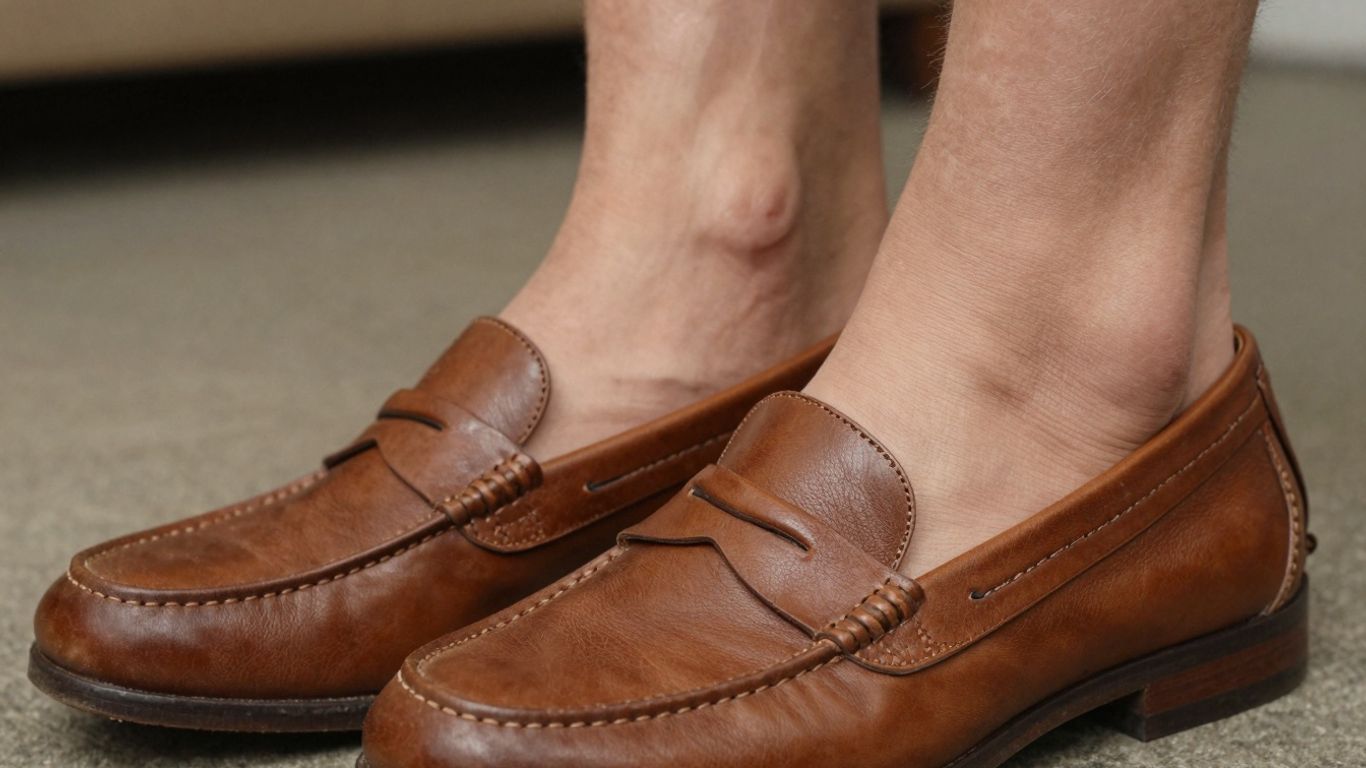
So, you’ve got your new penny loafers, and they feel a bit snug. Don’t panic! This is totally normal, and actually, it’s exactly what you want. Unlike sneakers that might have some give or laces to adjust, loafers are designed to mold to your foot over time. Think of them less like a finished product and more like a work in progress that gets better with every wear. The leather and the footbed will slowly start to conform to the unique shape of your feet, making them more comfortable as you go. It’s a bit of a process, but that’s part of the charm of a good pair of leather shoes.
The Difference Between Snug and Painful
This is where things can get a little tricky, but it’s super important to get right. When we talk about a snug fit, we mean a feeling of being held securely, like a glove. Your foot should feel embraced by the leather, with no excessive movement. However, ‘snug’ should never cross the line into ‘painful.’ If you’re experiencing sharp pinching, throbbing, or any discomfort that makes you wince, that’s a sign the shoes are too tight. It’s okay for them to feel a little restrictive at first, but they shouldn’t make you dread putting them on. Remember, the goal is comfort after the break-in, not agony from the start. It’s a fine line, and knowing the difference is key to finding that perfect fit.
Understanding Loafer Stretch Over Time
Leather is a natural material, and it behaves differently than synthetic stuff. Over time, your loafers will stretch, but here’s the catch: they primarily stretch in width and across the instep (the top part of your foot), not in length. This is why it’s so important to get the length right from the beginning. That initial snugness you feel? That’s the space the shoe will eventually give you. As the leather softens and adapts, you’ll gain a bit of volume, which is exactly what turns a slightly tight shoe into a perfectly comfortable one. This evolution means that a pair that feels a tad snug on day one can become your go-to favorite after a few weeks of wear. It’s a smart shoe care strategy to buy them with this stretch in mind.
Here’s a quick rundown of what to expect:
- Initial Feel: Snug, secure, like a firm hug around your foot.
- Key Areas of Stretch: Width and instep (top of the foot).
- Area That Doesn’t Stretch: Length.
- Comfort Progression: Should feel better with each wear.
Don’t be tempted to buy loafers that are painfully tight, thinking they’ll magically stretch out. While they do adapt, there’s a limit to how much they can change. Pain on day one usually means they’re simply the wrong size or shape for your foot, and no amount of wear will fix that.
Troubleshooting Loafer Fit Issues
So, you’ve got your new penny loafers, and maybe they’re not fitting quite like you imagined. It happens! Don’t sweat it too much, though. Most of the time, a few simple adjustments can make a world of difference. It’s all about understanding how leather shoes behave and what you can do to help them along.
Making Slightly Loose Loafers More Secure
If your loafers feel a bit roomy, especially in the width or instep, there are a few tricks up your sleeve. The goal here is to fill that extra space without making your feet feel cramped. Remember, loafers are meant to be snug, not sloppy.
- Add an extra insole: This is a classic move. A full or even a half insole can take up a surprising amount of volume. If it keeps slipping, a tiny bit of glue can help secure it. You can find insoles at most shoe stores or online.
- Thicker socks: If you’re planning to wear your loafers sockless or with thin dress socks, switching to a slightly thicker pair can make a big difference. It’s a simple way to snug things up.
- Tongue pads: These little adhesive pads stick to the underside of your shoe’s tongue. They push your foot back slightly and can help prevent heel slippage, especially if the shoe feels loose around the ankle.
- Heel or toe fillers: These are small inserts designed to take up space at the very front or back of the shoe. They’re great for fine-tuning the fit if you have a specific area that feels too loose.
It’s important to remember that loafers are designed to stretch, particularly in width and height. Trying to force a shoe that’s significantly too large to fit perfectly might be a losing battle. Focus on making minor adjustments to a shoe that’s already close to the right size. Accurate foot measurement is key to avoiding this situation in the first place measure your foot size accurately.
Addressing Tightness: Stretching Your Loafers
Okay, so what if your loafers are on the other end of the spectrum – a little too tight? This is where patience and the right methods come in. You can stretch the width and instep of your loafers, but you generally cannot stretch the length. Trying to lengthen a loafer is a recipe for disaster.
- Shoe stretchers: These are adjustable devices that you insert into the shoe. You can target specific areas, like the width or the toe box height, and slowly expand them over time. They’re a worthwhile investment if you frequently deal with tight shoes.
- Professional cobbler: For more stubborn tightness or if you’re worried about damaging your shoes, a cobbler is your best bet. They have specialized tools and experience to stretch leather safely and effectively.
- The broom handle trick: For localized pressure points, you can sometimes jam a broom handle into the shoe and push against the tight spot. This is a bit of a brute-force method, but it can work in a pinch for minor issues.
Avoid home remedies like soaking your shoes or freezing them with water bags. These methods often risk damaging the leather, leading to mold or breakdown, which is definitely not what you want.
When to Seek Professional Cobbler Assistance
Sometimes, despite your best efforts, a loafer just isn’t going to fit right. If you’ve tried the simple fixes and your shoes are still causing discomfort, it might be time to call in the pros. A good cobbler can:
- Perform more aggressive stretching on tight areas.
- Add padding or adjust insoles for a better fit.
- Repair any damage that might have occurred during your own attempts at stretching.
- Advise on whether a shoe is even salvageable for a proper fit.
Don’t hesitate to consult a cobbler if you’re unsure. They’re the experts, and their goal is to make your footwear comfortable and long-lasting.
Maintaining Your Loafer’s Shape
Alright, so you’ve got that perfect loafer fit dialed in. Awesome. But how do you keep them looking sharp and feeling good for the long haul? It’s all about a little bit of care and attention. Think of it like this: you wouldn’t just toss your favorite jacket in a corner, right? Your loafers deserve that same respect.
The Importance of Shoe Trees
This is probably the single most important thing you can do. When you take your loafers off, don’t just leave them lying around. Pop some cedar shoe trees inside. Why cedar? It smells great, but more importantly, it absorbs moisture and helps the shoes keep their shape. Without them, the leather can start to collapse, especially in the toe box and the instep. Over time, this can lead to permanent creases and a generally sad-looking shoe that doesn’t fit quite right anymore.
Here’s a quick rundown on why they’re so good:
- Shape Retention: They fill the shoe, preventing the leather from sagging or creasing badly.
- Moisture Absorption: Cedar wicks away sweat, which is good for the shoe and helps prevent odors.
- Odor Control: That natural cedar scent is a nice bonus and helps keep things fresh.
Caring for Loafers Worn Without Socks
Going sockless with loafers is a classic look, I get it. But it does mean your shoes are taking on more direct moisture from your feet. This is where shoe trees become even more critical. You’ll want to make sure they’re dry before you put the trees in. If they get really damp, you might even consider swapping them out for a fresh pair of trees after a few hours. Regular cleaning is also key here. A quick wipe-down after wearing them can make a big difference in preventing dirt from setting in.
If your loafers get wet, let them air dry naturally. Stuffing them with newspaper can help absorb some moisture, but avoid direct heat like radiators or hairdryers, as this can dry out and crack the leather. Once dry, always use shoe trees.
Preserving the Loafer’s Silhouette
Beyond shoe trees, think about how you store your loafers. If you’re stacking them or cramming them into a closet, they’re going to get misshapen. A dedicated shelf or a shoe rack is ideal. Also, be mindful of where you’re walking. While loafers are built to be worn, avoiding excessive scuffing on rough surfaces will help maintain their original look and feel. Remember, loafers are designed to mold to your foot, but that molding works best when the shoe itself is maintained in its intended form.
So, What’s the Takeaway?
Alright, so we’ve gone over how penny loafers should feel when you first try them on – snug, like a good hug for your foot, but definitely not painful. Remember, these shoes are going to stretch a bit, especially in the width, but not the length. So, resist the urge to grab a size that feels super loose just because it’s more comfortable right away. A little snugness is what you want. And don’t forget about heel slip; a tiny bit might be okay when you flex your foot, but your heel shouldn’t be popping out completely when you walk. Getting the fit right the first time is key, because while there are ways to tweak them, it’s not always a perfect fix. Take your time, try them on properly, and you’ll end up with a pair of loafers you can wear comfortably for years to come.
Frequently Asked Questions
How tight should new loafers feel?
When you first try on loafers, they should feel snug, like a glove hugging your foot. It’s important they don’t feel painful, but a little tight is good because leather shoes stretch over time. If they feel super comfy right away, they’ll probably be too loose after you wear them a bit.
Should my heel slip when I walk in loafers?
A little bit of heel movement is okay, but your heel shouldn’t come completely out of the shoe while you’re walking. If you can easily pull your heel out when sitting down and flexing your foot, that’s normal. The key is that they stay on your feet when you’re actually walking.
Do loafers stretch in length or width?
Loafers will stretch, but only in width and height (across the top of your foot). They do not stretch in length. This is why it’s super important that your toes aren’t crammed or hitting the end of the shoe when you buy them.
Should I size down when buying loafers?
Yes, most people need to size down in loafers compared to sneakers. Often, you’ll want to go down a half or even a full size from your usual sneaker size. This is because loafers should fit snugly and they don’t have laces to tighten them up.
What’s the best way to measure my foot for loafers?
The best way to start is by getting measured on a Brannock device, which measures your foot’s length, width, and arch. This gives you a more accurate ‘true size’ than just guessing or remembering a size you wore once. Bring this measurement to the store when you’re looking for loafers.
How can I make my loafers fit better if they’re a little loose?
If your loafers feel a bit loose, you can try adding an insole to take up some space. Wearing thicker socks is another simple fix. Sometimes, you can use heel grips or tongue pads to make them feel more secure. If they’re really too big, it might be hard to fix them perfectly.