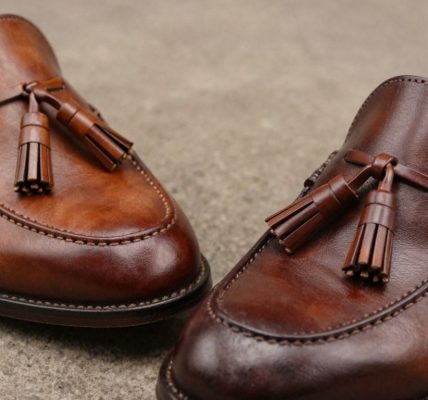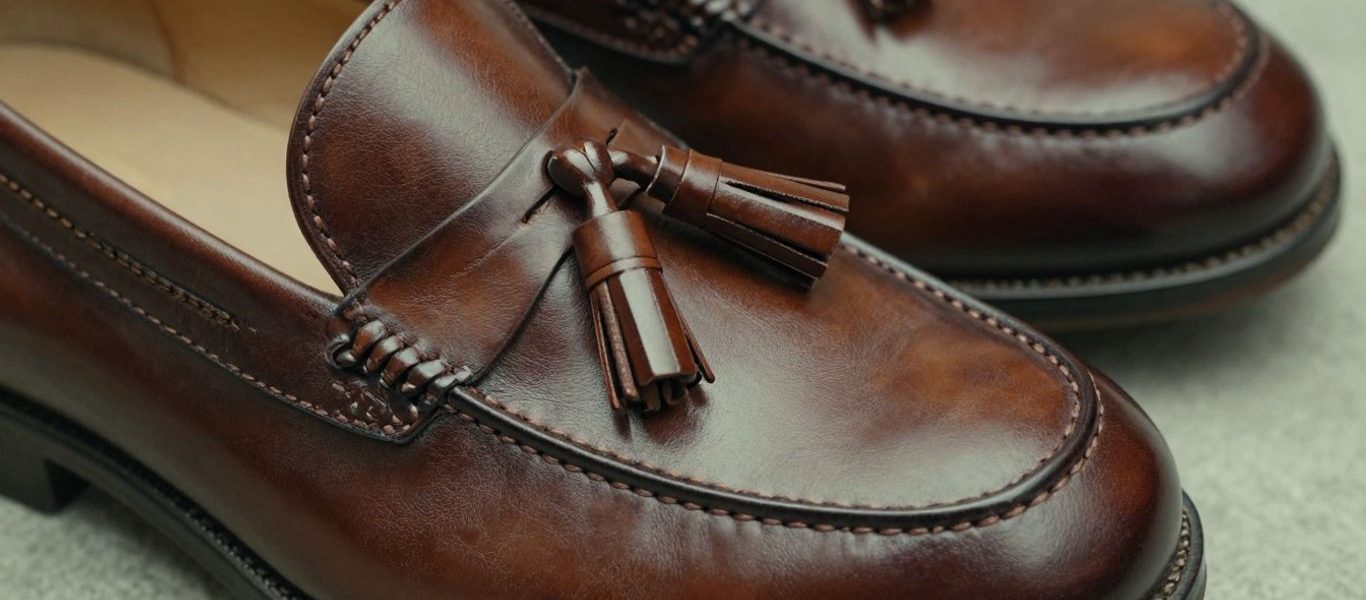

Tassel loafers. You see them everywhere, right? From fancy offices to casual weekend outings, these shoes have a way of just fitting in. But where did they come from? It turns out, these stylish slip-ons have a pretty interesting history, stretching from old-world roots to becoming a global fashion staple. We’re going to trace The History of Tassel Loafers: From Alden to Everywhere, looking at how they started, who made them famous, and why they’re still so popular today.
Key Takeaways
- Tassel loafers trace their origins back to Norwegian country shoes, later adapted and popularized in America, particularly by brands like G.H. Bass with their ‘Weejuns’.
- Alden of New England played a significant role in cementing the tassel loafer’s status, especially within the Ivy League scene, often using premium materials like Color 8 Cordovan.
- The design evolved from simpler slip-ons, with variations like the penny loafer strap appearing, before the distinctive tassel became a defining feature.
- Tassel loafers are incredibly versatile, fitting into a wide range of outfits from casual jeans to formal suits, with brown and black being the most common and adaptable colors.
- Today, tassel loafers are a global style item, with various brands offering modern interpretations while maintaining the shoe’s classic appeal and wearability.
The Genesis of the Tassel Loafer
Norwegian Roots and American Ingenuity
The story of the loafer, and by extension the tassel loafer, is a bit like a tangled fishing line – origins get a little fuzzy the deeper you look. Most accounts point to Norway for the initial inspiration. Think simple, slip-on shoes worn by farmers. These weren’t fancy; they were practical, easy to kick on when heading out to the fields or just pottering around the homestead. They looked more like basic moccasins than the sleek shoes we know today.
Then, an American named G.H. Bass took notice. He saw the practicality of these Norwegian shoes and thought, "Hey, this could work for students rushing to class or anyone needing a quick shoe for errands." So, he tweaked the design. He gave it a smoother leather upper and soles that could handle city sidewalks, not just muddy fields. It’s interesting, though, how the Native American moccasin style, which clearly influenced the original Norwegian designs, often gets left out of the official story. Bass called his version ‘Weejuns,’ which sounded a bit more appealing to the American market at the time than something that might hint at Indigenous origins.
The ‘Weejuns’ Phenomenon
When G.H. Bass launched his version in 1936, it was an instant hit, especially with students and folks in the suburbs. These shoes were easy to wear and looked good enough for most casual situations. They offered a relaxed alternative to more formal lace-up shoes.
From Countryside to Campus
Over time, students found a new use for these slip-ons. With money often tight, they started tucking a penny into the decorative strap across the vamp. This wasn’t just for looks; it was a handy way to have a coin ready for a payphone call or a bus ride. This little habit turned the simple loafer into the iconic ‘penny loafer,’ a symbol of collegiate style that became a staple on campuses across America. It was a shoe that bridged the gap between utilitarian footwear and a fashion statement, proving that practicality could indeed be stylish.
Alden’s Enduring Influence on Loafer Style
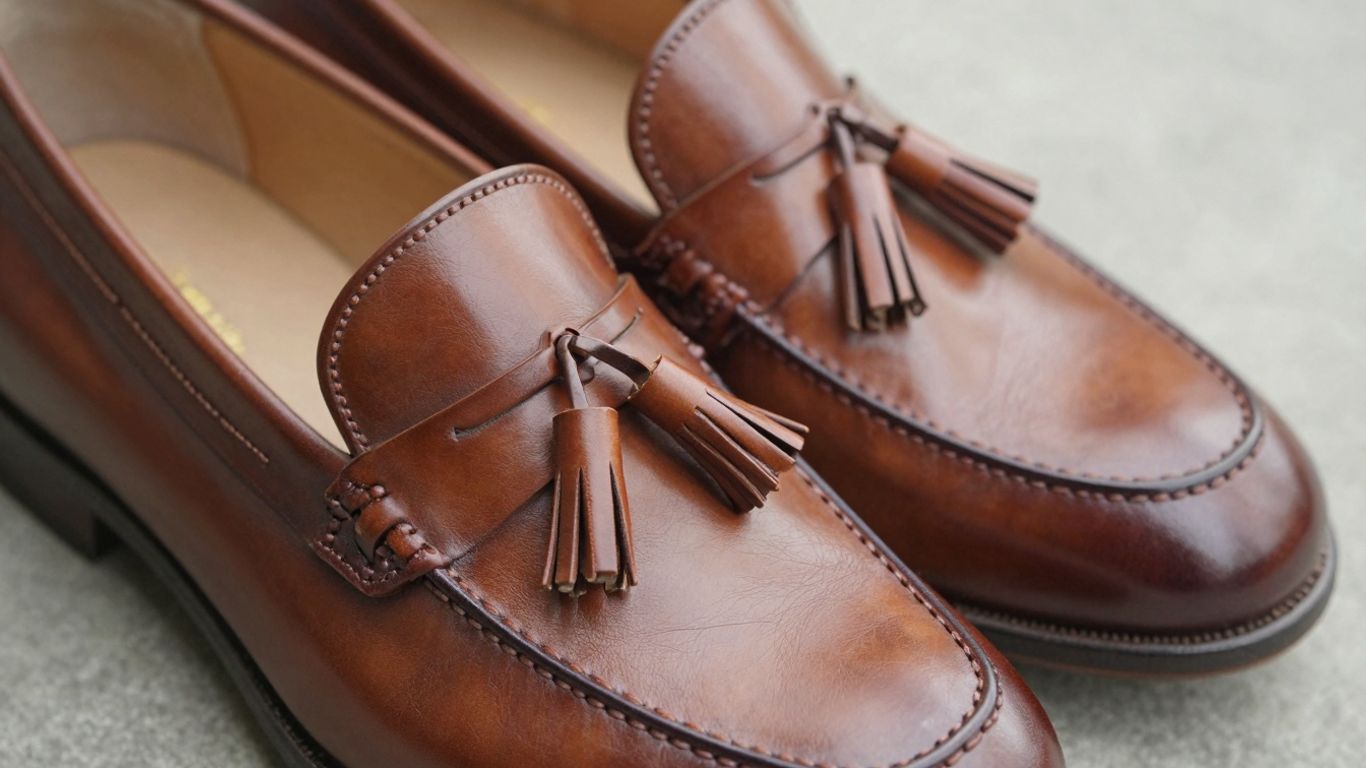
When you talk about loafers, especially the tassel and penny styles, Alden of New England just keeps coming up. It’s like they’ve been there from the start, really cementing the loafer’s place in classic menswear. They’ve got this long history tied to the Ivy League, which is pretty much where these shoes got their big break in America.
The Ivy League Connection
Alden’s connection to the Ivy League isn’t just a story; it’s practically woven into their brand. Think back to the mid-20th century – students at those prestigious East Coast schools were all about a certain look. It was preppy, sure, but also relaxed and smart. Alden shoes fit right into that vibe. They weren’t just shoes; they were part of a uniform, a way of signaling you were in the know.
- Casual Suits: Worn with lighter colored suits for a more relaxed business look.
- Chinos and OCBDs: The go-to pairing with Oxford cloth button-down shirts and chinos.
- Sportswear: Surprisingly versatile, they also worked with sweaters and more casual trousers.
Cordovan: A Material of Distinction
Alden really made a name for themselves using genuine Shell Cordovan. This isn’t just any leather; it’s a super tough, smooth material from a specific part of a horse’s hide. It polishes up beautifully and develops this amazing patina over time, meaning the shoes actually look better the more you wear them. Alden’s “Color 8” Cordovan is particularly famous. It’s a deep, rich color that can look almost black in some lights but shows off its reddish-brown tones in others.
This material choice is a big part of why Alden loafers feel so special. It’s not just about the look, but the way the shoe ages and conforms to your foot, becoming uniquely yours.
Craftsmanship and Lasts
What really sets Alden apart is how they build their shoes. They use what are called ‘lasts,’ which are basically foot-shaped molds. Alden has developed several iconic lasts over the years, like the Aberdeen last. It’s known for being a bit narrower, giving the shoe a sleeker profile that’s perfect for dressier occasions but still comfortable.
- Hand-Sewn Details: Many Alden loafers feature hand-stitching, especially on the apron, adding a touch of artisanal quality.
- Durable Construction: They often use Goodyear welting, a method that makes the shoes very sturdy and allows them to be resoled.
- Quality Linings: The inside of the shoe is just as important, with good leather linings that help with comfort and breathability.
It’s this combination of classic design, premium materials like Cordovan, and meticulous construction that has made Alden loafers a benchmark for quality and style for decades. They’re not just shoes; they’re an investment in timeless fashion.
Evolution of the Tassel Loafer Design
The ‘Penny’ Loafer’s Humble Beginnings
It’s funny how some styles just sort of… appear. The penny loafer, which is a close cousin to the tassel loafer, has a pretty interesting backstory. Most folks think it started in America, but it actually has roots in Norway. Back in the day, Norwegian farmers wore simple slip-on shoes, kind of like what you might wear around the house today. They were practical for farm work, easy to get on and off. An American shoe guy, G.H. Bass, saw these and thought, ‘Hey, this could work for students who are always in a rush!’ So, he tweaked the design a bit, made it sleeker, and added soles that were better for city streets. He called them ‘Weejuns’, a nod to Norway. The idea was to create a shoe that was both functional and stylish.
Variations in Strap and Apron
Over time, the basic loafer design saw some changes. The classic penny loafer, as we know it, got its name because students started tucking a penny into the strap across the vamp. It was a way to have change handy for payphones. This little detail became a signature look. Other variations popped up too, like different ways the apron (that stitched piece on top) was shaped or how the strap was designed. Some had a full strap, others had a more decorative cut-out. It’s these small differences that give each loafer its own personality.
The Allure of the Tassel
The tassel loafer really took things up a notch. It’s believed that the tassel detail was inspired by decorative elements found on traditional moccasins. When added to the loafer silhouette, it gave the shoe a more refined and dapper look. It wasn’t just a practical shoe anymore; it became a statement piece. The tassels add a bit of flair and sophistication without being over the top. They swing a little when you walk, adding a subtle dynamic to the shoe.
Here’s a quick look at how the design elements evolved:
- Norwegian Slip-on: Basic, functional, easy to wear.
- ‘Weejuns’ / Penny Loafer: Sleeker design, added sole, the iconic strap for a penny.
- Tassel Loafer: Introduction of decorative tassels for added flair and formality.
The evolution of the loafer, from its humble, practical beginnings to the more decorative tassel version, shows how footwear can adapt and gain new meanings. It’s a journey from pure utility to a blend of comfort, style, and a touch of personality. This adaptability is probably why it’s stuck around for so long.
Key Design Features:
| Feature | Description |
|---|---|
| Vamp Strap | Originally for a penny, now a design element. |
| Apron | The stitched panel on top, varies in shape. |
| Tassels | Decorative leather or fabric pieces, adds flair. |
| Last | The mold the shoe is built on, affects fit/shape. |
| Sole | Can range from thin leather to thicker rubber. |
Tassel Loafers Across the Style Spectrum
From Casual to Formal Attire
Tassel loafers, while often seen as a more dressed-up shoe, actually have a surprising range when it comes to what you can wear them with. They bridge the gap between super casual and quite formal, which is pretty neat. You can totally rock a pair with some nice chinos and a button-down shirt for a smart casual look, maybe for a weekend brunch or a relaxed office day. But then, you can also pull them off with a suit, especially if it’s a more modern cut or a lighter fabric. It really depends on the loafer itself – the color, the leather, and the overall shape.
The Versatility of Brown and Black
When it comes to color, brown and black are your go-to shades for tassel loafers, and they each bring something a little different to the table. Brown tassel loafers are incredibly versatile. Think shades like dark oak, mahogany, or even a rich tan. These work wonderfully with a whole lot of things, from jeans and a sweater to a tweed jacket and trousers. They feel a bit more relaxed, a bit more approachable. Black tassel loafers, on the other hand, lean more towards the formal side. They can look really sharp with a suit, especially for business occasions or more formal events. A well-polished black tassel loafer can really complete a sharp look.
Embracing Different Leathers and Finishes
The material your tassel loafers are made from makes a big difference in how you can style them. Smooth calfskin leather, especially in a polished finish, is great for dressing up. You can even give them a mirror shine on the toe and heel for an extra touch of formality. Suede tassel loafers, however, are inherently more casual. They have a softer texture and a more relaxed vibe, perfect for pairing with corduroys, heavier cottons, or even dark wash denim. Then there’s shell cordovan, which is a whole other ballgame. It’s durable, has a unique sheen, and ages beautifully, making it suitable for both smart casual and more dressed-up looks, depending on the color and the rest of your outfit.
Here’s a quick look at how different materials can influence styling:
- Smooth Calfskin: Best for business attire, suits, and smart casual looks. Can be polished to a high shine.
- Suede: Ideal for casual and smart casual outfits. Pairs well with textured fabrics like corduroy and wool.
- Shell Cordovan: Highly durable and develops a unique patina. Works for a wide range of outfits, from relaxed to formal.
The beauty of the tassel loafer lies in its adaptability. It’s a shoe that can be dressed up or down with relative ease, making it a valuable addition to almost any wardrobe. Understanding the nuances of color and material is key to unlocking its full styling potential.
Global Adoption and Modern Interpretations
European Sensibilities in Loafer Design
While the tassel loafer found its footing in American style, Europe has always had its own take on smart, slip-on footwear. Think of the classic driving moccasin or the more structured opera pump – these show a continental appreciation for elegant, easy-to-wear shoes. When the tassel loafer crossed the Atlantic, European brands often adapted it with their own flair. This might mean a slightly sleeker silhouette, perhaps a more refined leather, or even subtle decorative touches that lean towards understated luxury rather than bold statements. It’s about fitting into a wardrobe that might already feature tailored trousers and fine knitwear, making the loafer a sophisticated choice for both city life and relaxed weekends.
American Classics and Heritage Brands
Back in the States, certain brands really cemented the tassel loafer’s place in the style canon. Think of the companies that have been around for ages, the ones people trust for quality and tradition. They didn’t just make any tassel loafer; they made the tassel loafer. These brands often stuck to classic designs, using materials like rich cordovan or smooth calfskin. Their commitment to traditional construction methods meant these shoes weren’t just fashionable, they were built to last, becoming heirlooms passed down through generations. It’s this dedication to heritage that keeps the American tassel loafer relevant, a symbol of enduring style that feels both classic and current.
The Tassel Loafer as a Style Staple
So, where does that leave the tassel loafer today? It’s pretty much everywhere, honestly. It’s moved beyond its preppy roots to become a go-to for all sorts of people. You see them dressed up with suits for business meetings, worn with jeans for a smart-casual look, or even paired with shorts in warmer weather. It’s a shoe that can really adapt. Its journey from a niche item to a global staple shows how a well-designed piece of clothing can transcend trends and cultures.
Here’s a quick look at how its popularity has spread:
- North America: Still a strong market, especially for classic styles and heritage brands.
- Europe: Often embraced for its smart-casual appeal, fitting well with tailored European aesthetics.
- Asia: Growing popularity, with many brands offering modern interpretations and diverse material options.
The tassel loafer’s ability to bridge the gap between formal and informal, and its adaptability across different climates and fashion scenes, is a testament to its timeless design. It’s a shoe that just works, no matter where you are or what you’re wearing.
The Art of Wearing Tassel Loafers
So, you’ve got a pair of tassel loafers. Awesome. Now, how do you actually wear them without looking like you’re trying too hard, or worse, like you’ve raided your grandpa’s closet? It’s not as complicated as it might seem, honestly.
Pairing with Trousers and Socks
This is where things can get a little tricky, but also where you can really make your loafers shine. The general rule of thumb? Think about the formality of the rest of your outfit. Tassel loafers, especially in classic colors like brown or oxblood, can bridge the gap between casual and dressy pretty well.
- For a more casual look: Try them with chinos or even well-fitting jeans. If you go with jeans, make sure they’re not ripped or overly distressed. A darker wash usually works best. You can even skip socks or go for no-show socks if the weather’s warm and you’re feeling bold. Think of that relaxed, yet put-together vibe.
- For a smart-casual or business-casual setting: This is prime territory for tassel loafers. They look fantastic with wool trousers, finer cotton pants, or even a casual suit. Here, socks become important. A subtle pattern or a solid color that complements your trousers or tie can really tie the whole look together. Avoid anything too loud unless you’re really confident in your styling.
- For more formal occasions: While not a substitute for a black tie shoe, a well-polished black tassel loafer can work with a dark suit in a pinch, especially for events that aren’t super strict. Again, dark, conservative socks are your friend here.
The key is balance. If your loafers are the most dressed-up item you’re wearing, make sure the rest of your outfit doesn’t clash. Conversely, if you’re in a suit, ensure your loafers are polished and appropriate for the level of formality.
Seasonal Styling Considerations
Loafers aren’t just for one season, but how you wear them can change.
- Spring/Summer: Lighter colors, linen trousers, cotton shorts (if that’s your thing), and maybe even going sockless or with no-show socks. Think breathable fabrics and a more relaxed feel.
- Fall/Winter: This is when tassel loafers really come into their own. They pair wonderfully with heavier fabrics like wool, corduroy, and tweed. Darker colors, thicker socks (think wool blends), and layering are your best bet. They add a touch of polish to a cozy sweater and jeans or a heavier suit.
Achieving the Perfect Fit
This is non-negotiable, folks. A poorly fitting shoe, no matter how stylish, will just look wrong and feel terrible.
- Try them on later in the day: Your feet swell throughout the day, so trying shoes on when they’re at their largest gives you a more accurate sense of fit.
- Check for heel slippage: There should be minimal to no slipping at the heel when you walk. A little bit might be okay if the shoe is leather and will stretch, but too much is a problem.
- Toe room is key: You shouldn’t feel pinched at the toes, but you also don’t want excessive room. Your foot should feel snug and supported, but not cramped.
- Consider the width: Loafers, especially, can be tricky with width. If a shoe feels too tight across the top of your foot, it might be too narrow. If it feels loose, it might be too wide.
Getting the fit right is probably the most important step in wearing any shoe well, and tassel loafers are no exception. It’s better to have a slightly less ‘fashion-forward’ pair that fits perfectly than a trendy pair that pinches or slides.
A Lasting Impression
So, there you have it. From their humble beginnings, likely inspired by practical Norwegian footwear and later adopted by American students, tassel loafers have really made their mark. Alden, with their deep roots in New England, certainly played a huge part in cementing these shoes as a classic, especially with their iconic cordovan versions. It’s pretty cool how a shoe that started out so simple can now be dressed up or down, fitting in everywhere from a casual weekend to a more formal event. They’re proof that sometimes, the best style comes from stripping things back to what really matters – comfort, good looks, and a bit of history. It’s a shoe that just keeps on giving, really.
Frequently Asked Questions
What exactly are tassel loafers?
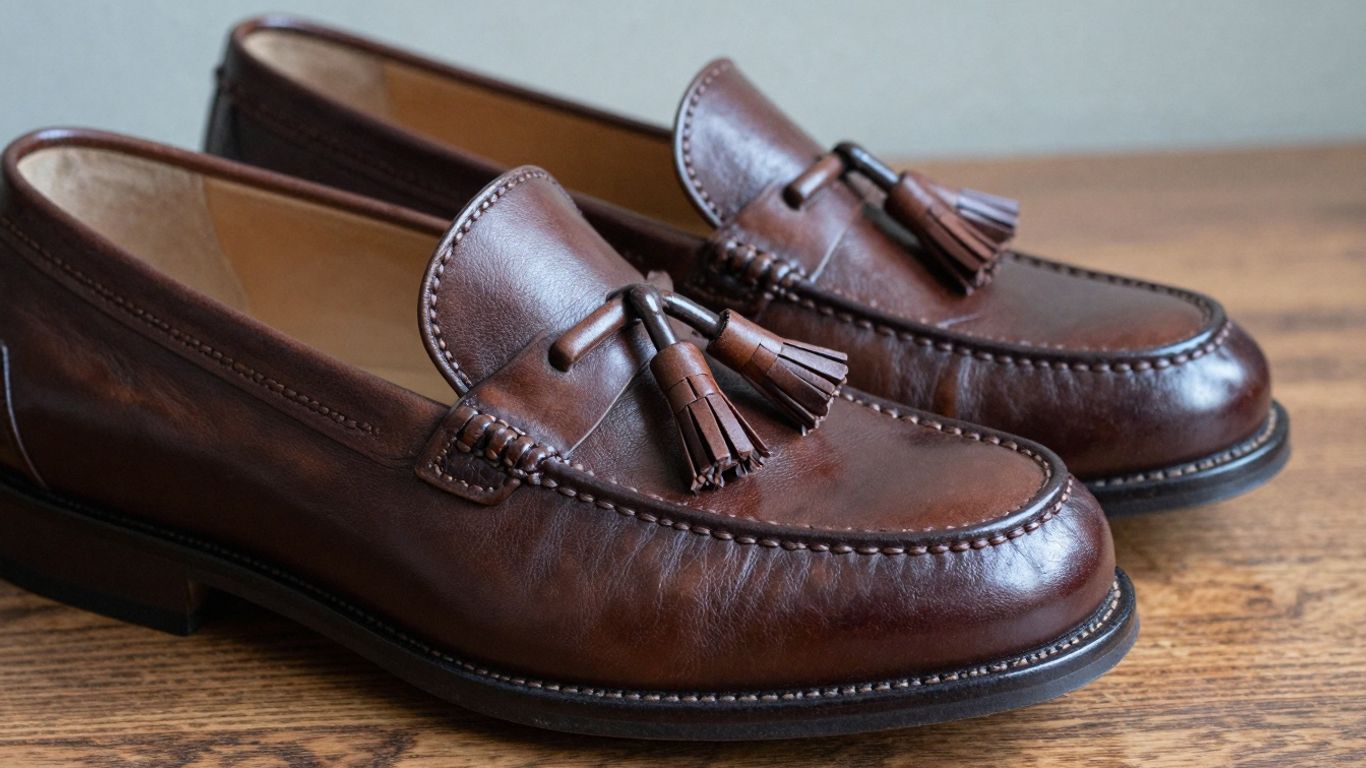
Tassel loafers are a type of slip-on shoe, meaning they don’t have laces. What makes them special is the little decorative tassels that hang down from the sides of the shoe, right where the laces would normally be. They’re a stylish choice that can be dressed up or down.
Where did tassel loafers come from?
The idea for loafers actually started a long time ago in Norway as simple shoes for farm work. Later, an American named G.H. Bass made a version for students, calling them ‘Weejuns.’ The tassel part was added later by shoe designers who wanted to make them look a bit fancier, and they became really popular with college students, especially at fancy schools like Harvard and Yale.
Are tassel loafers old-fashioned?
Not at all! While they have a long history, tassel loafers are still considered a classic and stylish shoe today. They’ve been worn by famous people for decades and continue to be a favorite for looking sharp without being too formal.
What’s the difference between tassel loafers and penny loafers?
Both are slip-on shoes. Penny loafers have a strap across the top with a cutout, where people used to put a penny for good luck or for a phone call. Tassel loafers have decorative tassels hanging from that same spot instead of a cutout strap. Tassel loafers are often seen as a bit dressier.
What should I wear with tassel loafers?
Tassel loafers are super versatile! You can wear them with jeans for a smart-casual look, or pair them with dress pants or even a suit for more formal occasions. They look great with different kinds of socks, or even without socks in warmer weather.
What colors and materials are tassel loafers usually made of?
You’ll find tassel loafers in many colors, but brown and black are the most common and easiest to match with outfits. They are often made from smooth leather, but you can also find them in soft suede or even shiny patent leather for a more dressed-up look. Materials like cordovan leather are also prized for their unique look and durability.