Weejuns vs. Other Penny Loafers: A Deep Dive into the Original’s Enduring Value

Penny loafers. They’re a classic shoe, right? You see them everywhere, from casual Fridays at the office to weekend outings. But when you start looking, you realize there are tons of them out there. We’re going to talk about the original, the G.H. Bass Weejuns, and see how they stack up against the competition. Is the classic still the best choice, or are there other options that give you more bang for your buck? Let’s figure out if the original penny loafer is truly worth the investment.
Key Takeaways
- G.H. Bass invented the penny loafer, calling them Weejuns, back in the 1930s, making them the true original.
- Weejuns are known for their solid construction and good quality leather, which helps them last a long time.
- While other brands make penny loafers, Weejuns often have a distinct look and feel that many people prefer.
- The cost of Weejuns might be higher than some alternatives, but their durability can make them a smart buy over time.
- Deciding between Weejuns and other penny loafers comes down to what you value most: the history, the quality, the fit, or the price.
The Genesis Of The Penny Loafer
G.H. Bass & Co. And The Weejuns Legacy
So, where did this whole penny loafer thing even start? It wasn’t just some random fashion idea that popped up overnight. Back in the 1930s, a company called G.H. Bass & Co. was already making shoes. They were inspired by Norwegian farm shoes, which had this cool slip-on design with a strap across the top. Bass decided to take that basic idea and give it a bit of an American twist, making it more suitable for everyday wear. They called their version the "Weejuns," a nod to their Norwegian inspiration. It was one of the first mass-produced slip-on shoes of its kind in America.
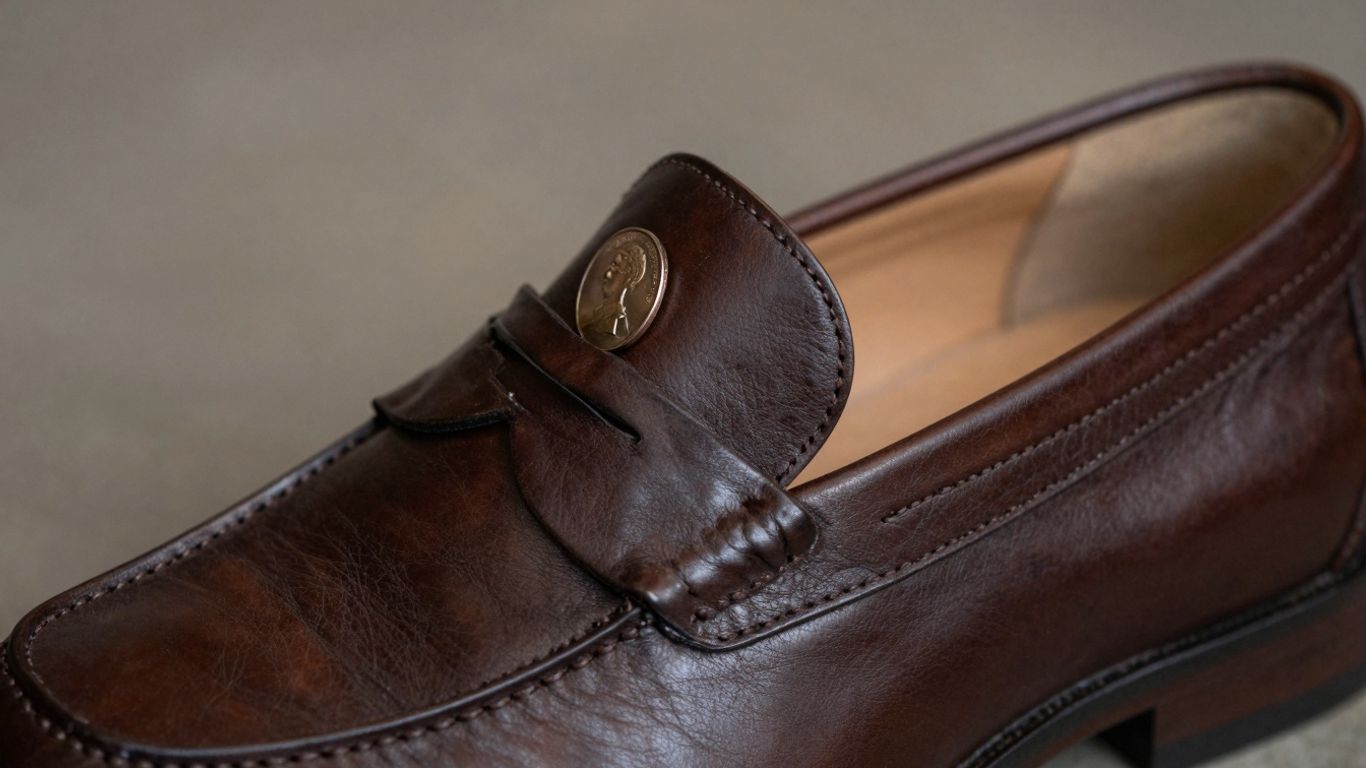
Initially, they were marketed as casual shoes, something you could wear around the house or for light outdoor activities. But people quickly started wearing them everywhere. The design was simple, comfortable, and surprisingly versatile. It wasn’t long before college students, in particular, started noticing them. The story goes that they’d slip a penny into that little strap across the vamp – supposedly for making phone calls back when payphones were a thing. Whether that’s entirely true or just a good story, it stuck, and the "penny loafer" name was born.
The Iconic Design Elements
The Weejuns design is pretty straightforward, but those simple elements are what make it so recognizable and enduring. Think about it:
- The Slip-On Silhouette: No laces, no buckles, just a clean, easy-to-wear shoe that you can slide your foot into. This was a big deal for comfort and convenience.
- The Strap and Vamp: That distinctive strap across the top of the shoe, with the slit in it, is the defining feature. It’s where the "penny" tradition comes from.
- The Moc Toe Construction: This gives the shoe its characteristic rounded shape and a slightly more relaxed feel compared to a more structured dress shoe.
- The Low Heel: It’s not a dress shoe heel, nor is it a sneaker sole. It’s a modest heel that adds a bit of polish without sacrificing comfort.
These design choices weren’t just about looks; they were about creating a shoe that was practical for a changing lifestyle. People wanted footwear that could transition from work to leisure without needing a complete change. The Weejuns hit that sweet spot perfectly, blending a bit of formality with a whole lot of ease.
It’s funny how something so simple can become so iconic. You see that strap, that shape, and you just know what it is. It’s a testament to good, honest design that doesn’t need a lot of fuss to make its point. They managed to create a shoe that felt both classic and modern, a balance that many brands chase but few achieve.
Weejuns vs Other Penny Loafers: A Style Comparison
When you’re looking at penny loafers, especially the classic Weejuns, it’s not just about the name. There are some real differences you can see and feel, and they matter when you’re deciding what to buy. Let’s break down what sets them apart.
Leather Quality And Construction
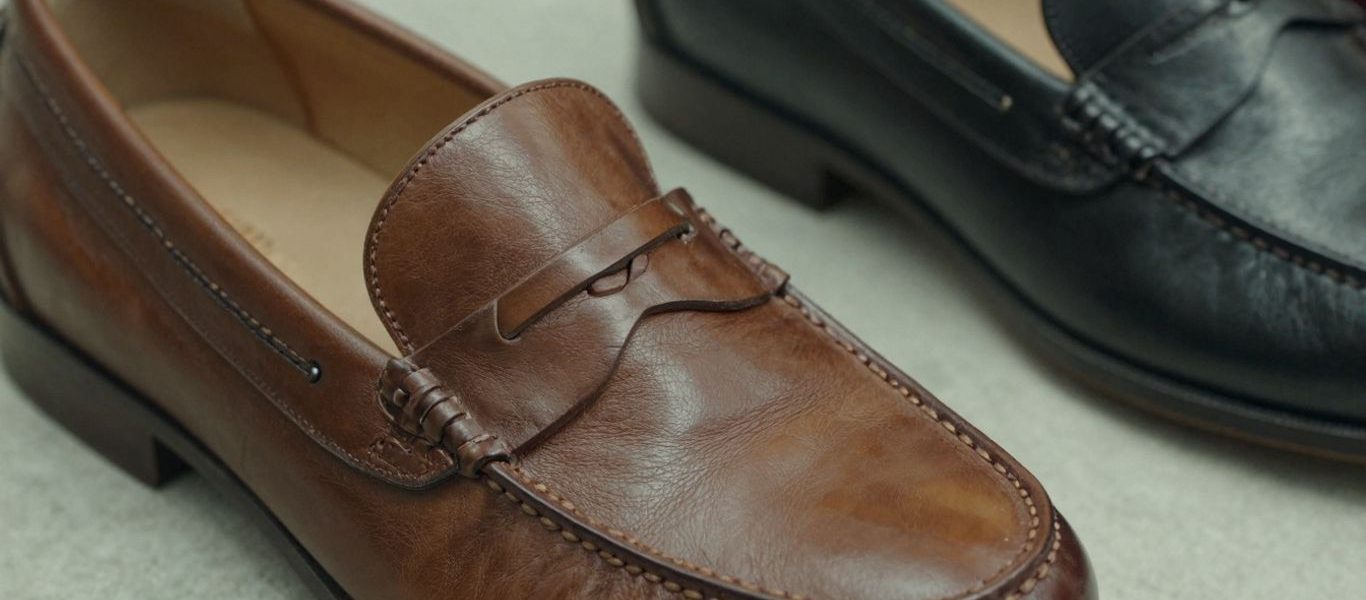
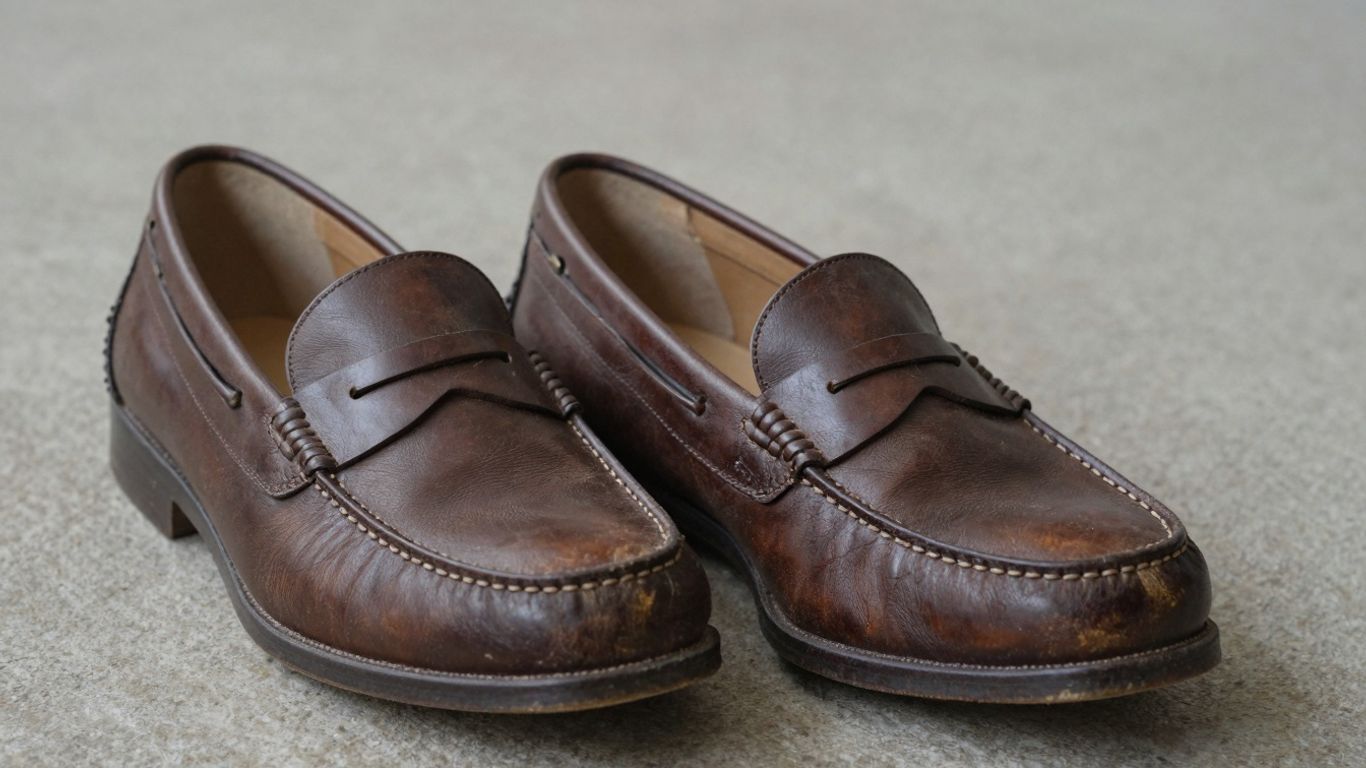
This is where a lot of the magic (or lack thereof) happens. G.H. Bass, the folks behind Weejuns, generally use a good quality leather. It’s usually a full-grain leather that feels substantial. Over time, it molds to your foot and develops a nice patina, which is that aged, worn-in look that’s part of the appeal. The stitching is typically neat and strong, holding the shoe together well. You can often see the care put into how the sole is attached and how the upper is shaped.
Other brands can vary a lot. Some might use corrected-grain leather, which looks smooth but doesn’t age as gracefully. It can sometimes feel a bit stiff or plasticky. Cheaper options might use split leather or synthetic materials, which just don’t have that same depth or ability to wear in nicely. The construction might be less robust, too, with visible glue lines or less precise stitching. The feel of the leather and the way the shoe is put together are big clues to its quality.
Fit And Comfort Considerations
Fit is super personal, right? Weejuns are known for a certain kind of fit. They can be a bit snug when you first get them, especially if you’re used to sneakers. People often say you might need to break them in a bit. They tend to have a more structured feel, which is good for support but might not be everyone’s idea of cloud-like comfort right out of the box. Some folks size up, others stick to their usual size and let the leather stretch.
Competitors might offer different fits. Some brands aim for a softer, more flexible feel from the start, which is great if you hate break-in periods. Others might have a wider or narrower last (that’s the foot-shaped mold the shoe is built around), so you might find a better match if Weejuns feel off. It really comes down to what feels good on your foot. You can’t really know until you try them on, or at least read a lot of reviews from people with similar foot shapes.
Design Nuances And Variations
The classic Weejun penny loafer has a very specific look: the apron front, the strap with the slit for the penny (though most people don’t actually put pennies in anymore!), and the moccasin-style construction. It’s a timeless design that hasn’t changed much because, well, it works. It’s versatile enough for casual wear but can also dress up an outfit.
Other brands might play with these elements. You’ll see loafers with:
- Different strap styles: some might have a more decorative buckle, others a sleeker strap.
- Varying apron shapes: the curve and height of the apron can change the shoe’s character.
- Sole options: some might have a chunkier lug sole, others a thinner leather sole, or even a rubber sole for better grip.
- Material twists: you might find them in suede, patent leather, or even exotic leathers, which changes the formality and look.
While the core elements of a penny loafer are pretty standard, the small details can make a big difference in how the shoe looks and feels. It’s like the difference between a classic white t-shirt and one with a slightly different collar or sleeve length – subtle, but noticeable.
So, when you’re comparing, think about the leather, how it’s put together, how it feels on your foot, and those little design choices. They all add up to the overall style and value of the shoe.
Durability And Longevity: Investing In Quality
When you’re looking at penny loafers, especially the original Weejuns, you’re not just buying a shoe; you’re thinking about how long it’ll last. It’s a bit like buying a good tool – you want something that holds up. Weejuns have built a reputation for being tough, and honestly, that’s a big part of why people keep coming back to them.
How Weejuns Stand The Test Of Time
So, what makes them so durable? It really comes down to a few things. First off, the leather they use is usually pretty solid. It’s not some flimsy stuff that’ll crack after a few wears. They tend to use thicker cuts, which means they can take a beating. Then there’s the construction. Weejuns are often stitched in a way that makes them strong. Think about how they’re put together – the sole, the upper, all connected securely. This isn’t just about looking good; it’s about making a shoe that can handle daily life, from walking around town to just, you know, living.
- Quality Leather: They often use full-grain or corrected-grain leather that’s meant to last and age well.
- Solid Construction: Goodyear welting or similar robust stitching methods are common, allowing for resoling.
- Classic Design: The simple, no-fuss design means fewer points of failure compared to more complex shoe styles.
The idea behind a well-made shoe like this is that it gets better with age. It molds to your foot, develops a patina, and shows signs of wear that tell a story, rather than just falling apart.
Comparing Lifespans With Competitors
It’s tough to give exact numbers because everyone wears their shoes differently, right? But generally, a well-cared-for pair of Weejuns can easily last several years. Some people even report them lasting a decade or more, especially if they get them resoled. Cheaper alternatives, on the other hand, might start showing wear and tear much sooner. You might see soles separating, leather cracking, or stitching coming undone after just a year or two. It’s a trade-off between the initial cost and the long-term value.
Here’s a rough idea:
| Shoe Type | Expected Lifespan (with care) | Resoling Potential | Notes |
|---|---|---|---|
| G.H. Bass Weejuns | 3-7+ years | High | Can last much longer with proper care |
| Mid-Range Loafers | 2-4 years | Moderate | Varies greatly by brand and construction |
| Budget Loafers | 1-2 years | Low to None | Often glued construction, less durable |
So, while you might spend a bit more upfront on Weejuns, the fact that they can be repaired and last so much longer often makes them a smarter buy in the long run. It’s about getting more miles out of your money.
The Enduring Value Proposition Of Weejuns
So, why do G.H. Bass Weejuns still command attention, even with a sea of other penny loafers out there? It really boils down to what you get for your money, and how long that value lasts. It’s not just about the initial price tag; it’s about the whole package.
Price Point Versus Perceived Value
Let’s be real, Weejuns aren’t the cheapest penny loafers on the block. You can find options that cost significantly less. But here’s the thing: the perceived value often outweighs the higher cost. People see Weejuns and they think ‘classic,’ ‘well-made,’ and ‘authentic.’ That’s a powerful perception that cheaper alternatives struggle to match. It’s like buying a well-known brand of jeans versus a no-name pair; the brand name carries a certain weight and expectation of quality.
The Cost Per Wear Argument
This is where the real value shines through. If you buy a pair of Weejuns and wear them for, say, five years, and you wear them often, the cost per wear becomes surprisingly low. Compare that to buying a cheaper pair every year because they fall apart or go out of style.
Here’s a simple way to think about it:
- Weejuns: $200 pair, worn 500 times over 5 years = $0.40 per wear.
- Cheaper Loafers: $80 pair, worn 100 times over 1 year (and then replaced) = $0.80 per wear.
Over time, the investment in a quality pair really pays off. It’s about looking at the long game, not just the immediate expense.
Timeless Appeal And Versatility
Weejuns have this incredible ability to just work with almost anything. They’re not trendy; they’re timeless. You can wear them with jeans for a casual look, with chinos for a smart-casual vibe, or even with a suit for a more relaxed, preppy style. They bridge gaps between different looks and occasions without missing a beat.
The simple, clean lines of the Weejuns design mean they don’t shout for attention. Instead, they quietly complete an outfit, adding a touch of polish without being fussy. This understated quality is a big part of why they remain relevant year after year, decade after decade. They just fit in, no matter the fashion cycle.
This versatility means you’re not buying a shoe for a specific moment; you’re buying a shoe that can be a staple in your wardrobe for a very long time. That’s a kind of value that’s hard to put a price on.
Beyond The Brand: Exploring Alternatives
So, G.H. Bass Weejuns are the OG, no doubt. But does that mean they’re the only game in town when it comes to penny loafers? Not exactly. The market’s gotten pretty crowded over the years, and there are some really solid options out there that might just catch your eye. It’s worth looking around, you know? Sometimes a different brand just fits your style, or your budget, a little better.
Notable Competitors In The Penny Loafer Market
When you start looking beyond Weejuns, a few names pop up pretty consistently. These brands have carved out their own space by focusing on different things, whether it’s a specific type of leather, a unique construction method, or just a different price point.
- Allen Edmonds: Often seen as a step up in terms of luxury and craftsmanship. They use premium leathers and have a reputation for being very well-made, often with Goodyear welting.
- Cole Haan: This brand tends to blend classic loafer style with more modern comfort features, like cushioned insoles. They can be a good middle-ground option.
- Sebago: Another heritage brand that offers a classic penny loafer look. They’re known for durability and a traditional aesthetic, often at a more accessible price than some high-end competitors.
- Tod’s: If you’re thinking more along the lines of a driving moccasin with a loafer vibe, Tod’s is a big player. They’re super soft and flexible, designed for comfort and a more casual, Italian flair.
When To Consider Non-Weejuns Options
Okay, so why would you even bother looking elsewhere? It really comes down to a few key things.
- Budget: Let’s be real, Weejuns aren’t cheap, and some other brands might offer a similar look for less cash. Or, you might be looking to splurge on something even more premium.
- Specific Features: Maybe you need a loafer with extra arch support, or you prefer a sleeker, more modern silhouette. Some brands specialize in these kinds of details.
- Material Preferences: While Weejuns are typically smooth leather, you might be after a suede penny loafer, or perhaps a patent leather version for a dressier occasion. Different brands offer a wider variety of materials.
Sometimes, the "original" isn’t always the best fit for your specific needs or wants. Exploring other brands lets you compare construction, materials, and design details to find the penny loafer that truly speaks to you. It’s about finding the right shoe for your foot and your life, not just following the crowd.
Ultimately, comparing Weejuns to other penny loafers is about understanding what you value most in a shoe. Is it the history and the iconic status, or is it the specific comfort, material, or price that seals the deal? There’s no single right answer, and that’s the beauty of having choices.
Weejuns vs Other Penny Loafers: Is The Original Worth It?
So, after all this talk about leather, comfort, and style, the big question remains: are G.H. Bass Weejuns really worth the price tag when there are so many other penny loafers out there? It’s a fair question, especially when you see options that look pretty similar for less cash. Let’s break it down.
Synthesizing The Evidence For Weejuns
When you look at the whole picture, Weejuns have a few things going for them that are hard to ignore. It’s not just about the name; it’s about what you get.
- Heritage: These aren’t just shoes; they’re a piece of American history. That kind of legacy means something, and it’s built into every pair.
- Consistent Quality: While other brands might have good years and bad years, G.H. Bass has generally kept a steady hand on the tiller when it comes to materials and how they put the shoes together. You know what you’re getting.
- Timeless Design: The classic penny loafer look hasn’t really changed, and Weejuns are the blueprint. They just work with almost anything you wear, from jeans to suits.
The real value of Weejuns isn’t just in the shoe itself, but in the confidence that comes with wearing a well-made, historically significant piece of footwear. It’s a quiet statement.
Making An Informed Purchase Decision
Ultimately, deciding if Weejuns are the right choice for you comes down to what you prioritize in a shoe. If you’re looking for a shoe that will last, look good for years, and carry a bit of history, then yes, they’re probably worth it. Think about how often you’ll wear them. If these are going to be your go-to shoes for everything, investing a bit more upfront can save you money and hassle down the line.
Here’s a quick way to think about it:
- Cost Per Wear: Calculate this by dividing the price of the shoes by the number of times you realistically expect to wear them. A more expensive shoe worn hundreds of times can be cheaper per wear than a cheaper shoe worn only a few times.
- Versatility: How many outfits can you wear these with? Weejuns are incredibly versatile, meaning you get more use out of them, increasing their value.
- Durability: A shoe that falls apart after a year isn’t a good deal, no matter the price. Weejuns are built to last, meaning fewer replacements needed.
If you want a penny loafer that’s a true classic and built to last, Weejuns are hard to beat. But if you’re on a tight budget or only need loafers for very specific, infrequent occasions, exploring other options might make more sense for your wallet.
So, What’s the Verdict?
Look, there are a lot of penny loafers out there these days, and some are pretty good. You can find styles that look similar to Weejuns, and they might even cost less. But when you boil it all down, the original just has something special. It’s not just about the look, though that’s part of it. It’s about the history, the way they’re made, and that feeling you get when you slip them on. They’ve been around forever for a reason. While other shoes come and go, the Weejun remains a solid choice, a true classic that holds its own. If you’re looking for a penny loafer that’s more than just a shoe, the original is probably still your best bet.
Frequently Asked Questions
What makes Weejuns special compared to other penny loafers?
Weejuns are like the original rock stars of penny loafers! They were one of the first, made by G.H. Bass & Co., and have this classic look that just never goes out of style. People love them because they’re built tough and feel comfy, making them a go-to for many.
Are Weejuns really worth the money?
Think of it this way: you get what you pay for. Weejuns use really good leather and are made carefully. So, while they might cost a bit more upfront, they last a super long time. This means you might actually save money in the long run because you won’t have to buy new shoes as often.
How do Weejuns fit compared to other brands?
Fit can be a bit different for everyone, but Weejuns are known for a pretty solid, classic fit. Some people find they need to break them in a little, but once they do, they mold to your feet. It’s always a good idea to try them on if you can, or check sizing guides carefully.
Can I wear Weejuns for different occasions?
Absolutely! That’s one of the best things about them. You can dress them up with nicer pants or a skirt for school or a party, or wear them with jeans for a casual day out. They’re super versatile, which is why they’ve stayed popular for so long.
What kind of leather do Weejuns use, and why does it matter?
Weejuns typically use high-quality leather that’s strong and looks good. Better leather means the shoes can handle more wear and tear, and they often look even better as they age, developing a unique patina. Cheaper loafers might use less durable materials that wear out faster.
If I don’t get Weejuns, what other good penny loafers are there?
There are definitely other great brands out there that make nice penny loafers! Some popular ones focus on different styles or price points. It really depends on what you’re looking for – maybe a specific color, a slightly different design, or a brand that fits your budget best. But Weejuns are the OG for a reason!